Marine Ministry Silent Over N835m Vehicle Procurement
Oru Leonard
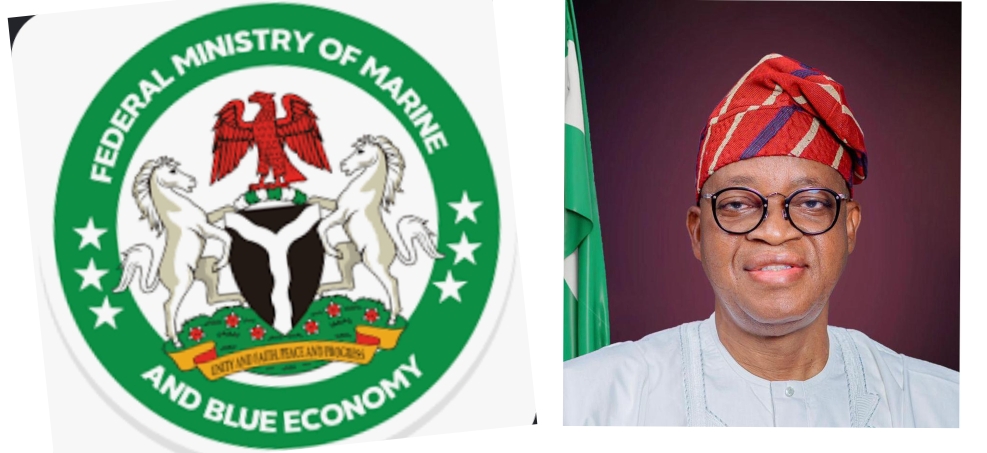
The Federal Ministry of Marine and Blue Economy has remained silent over the alleged expenditure of N835,157,209.32 on six official and operational vehicles, raising fresh questions about the procurement and use of public funds.
According to media reports Government payment records show that the sum was paid to Kaura Motors Nigeria Limited on December 21, 2025, by the headquarters of the Federal Ministry of Marine and Blue Economy.
The payment description indicated that the money was for the “supply of six (6) official/operational vehicles for the Federal Ministry of Marine and Blue Economy.”
The expenditure translates to an average of about N139.2 million per vehicle.
The development was earlier reported by Sahara Reporters on Tuesday, prompting renewed interest in the details of the transaction and efforts to obtain clarification from the ministry.
However, attempts to establish the specifications of the vehicles, the procurement method adopted, approvals obtained and whether the vehicles were delivered in line with the payment were unsuccessful.
The Special Adviser to the Minister, Dr. Bolaji Akinola, reportedly did not respond to messages requesting clarification.
Officials of the ministry’s media unit also declined to comment, stating that they were not authorised to speak on the matter.
The transaction comes amid repeated calls by the Federal Government for greater prudence, accountability and efficiency in public expenditure.
Beyond the size of the payment, questions have also been raised over the procurement process, including the category and specifications of the vehicles, the justification for the expenditure, the approvals backing the transaction and whether the government received value commensurate with the amount paid.
The vehicle expenditure is also coming against the backdrop of other payments attributed to the ministry in 2024, involving official travels, estacodes, air tickets, refreshments, hall rentals and honorariums.
Payment records reviewed by the newspaper on the public payments portal, Govspend, showed that several payments were made into private accounts between July 26 and October 23, 2024, in connection with official trips and allowances involving ministry officials.
For instance, the records showed that N7.3 million was paid to Olufemi Michael Oloruntola, the former secretary of the ministry, on July 26, 2024.
The payment was described as “40% estacode supplementation for study tour to Royal Kingdom of Morocco.”
Further records indicated that Oloruntola received approximately N76 million between July 26 and October 23, 2024, in payments reportedly linked to air tickets, allowances and estacodes.
On the same day, N10.4 million was reportedly paid to Sanya Sholabami Abosede, with the payment described as “payment for 40% supplementation for the study tour to the Royal Kingdom of Morocco.”
Records indicated that Abosede subsequently received about N76.4 million between July 26 and October 23, 2024.
The payments occurred around the period of an official ministry trip to Morocco between July 29 and August 3, 2024.
Another official, Hafeez Babatunde Bombata, the former director of marine safety and security at the ministry, reportedly received approximately N43 million in payments between August 13 and October 23, 2024.
The pattern of payments has raised wider concerns over the management of public resources, particularly transactions involving the transfer of government funds into private accounts.
Nigeria’s Financial Regulations 2009, in Chapter Seven, Section 713, provides rules governing the handling of public funds. The regulation states that personal money should not be paid into a government bank account, while public money should not be paid into a private account.
The provision is designed to strengthen financial control, accountability and transparency in the management of government resources.
Against this backdrop, the N835.16 million payment for six vehicles has attracted attention because of both the total value of the transaction and the reported average cost of each vehicle.
At approximately N139.2 million per vehicle, the expenditure warrants public clarification on the vehicles’ specifications, procurement procedure, approvals, delivery status and overall value for money.