Nigeria, Ghana Push AU Action Against Afrophobic Protests Across Africa
Oru Leonard
Nigeria and Ghana have agreed to strengthen diplomatic cooperation and push for the issue of Afrophobic protests and violence against African migrants to be placed on the agenda of the next African Union (AU) Summit.
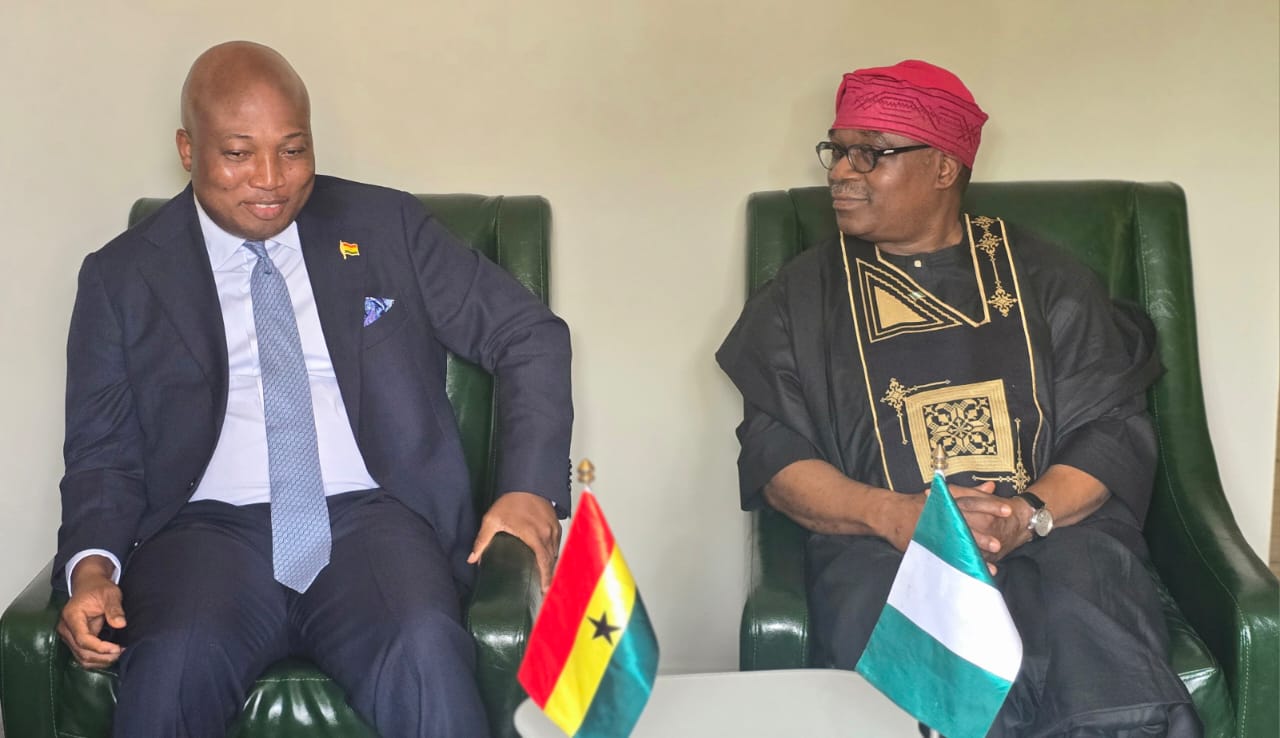
The commitment was reached during a bilateral meeting between Nigeria’s Minister of State for Foreign Affairs, Ambassador Sola Enikanolaiye, and Ghana’s Minister of Foreign Affairs, Samuel Okudzeto Ablakwa, on the sidelines of the ongoing ECOWAS Mid-Year Summit in Freetown, Sierra Leone.
Both ministers expressed deep concern over the resurgence of Afrophobic protests and attacks targeting African nationals, particularly in South Africa, describing such incidents as a threat to the ideals of African unity, regional integration, and the free movement of persons under the African Union and the African Continental Free Trade Area (AfCFTA).
They jointly condemned xenophobia, Afrophobia, intolerance, and violence against fellow Africans, stressing that while criminal activities should be addressed through lawful judicial processes, innocent migrants must not become victims of mob justice or collective punishment.
The two countries also agreed to work with other African nations to advocate stronger AU mechanisms, including enhanced monitoring, early warning systems, and preventive diplomacy to prevent future occurrences of Afrophobic violence.
Earlier, Ambassador Enikanolaiye commended the longstanding bilateral relations between Nigeria and Ghana and called for deeper strategic consultations and preventive diplomacy to address emerging issues before they escalate. He conveyed the goodwill of President Bola Ahmed Tinubu to Ghanaian President John Dramani Mahama and praised Ghana’s leadership in advancing Pan-Africanism and the global campaign for reparative justice over the trans-Atlantic slave trade and colonial injustices.
The Nigerian minister congratulated President Mahama on the successful adoption of the landmark United Nations resolution on the Transatlantic Slave Trade and Ghana’s hosting of the Next Steps High-Level Conference on reparative justice, reaffirming Nigeria’s full support for the initiative.
Responding, Ghana’s Foreign Minister, Samuel Ablakwa, congratulated Ambassador Enikanolaiye on his appointment and advocated more direct, action-oriented diplomacy between both countries. He also acknowledged Nigeria’s support for the UN resolution and its active participation in advancing reparative justice for Africa and people of African descent.
Ablakwa highlighted growing international recognition of historical injustices, citing apologies from the Pope, the Church of England and the Church of Scotland, alongside increasing efforts by European countries to return looted artefacts and establish institutions dedicated to reparative justice.
The ministers reaffirmed the enduring friendship between Nigeria and Ghana and urged all African Union member states to recommit to the principles of Pan-Africanism, mutual respect, peaceful coexistence, and the free movement of persons. They also called for sustained public education and dialogue to combat prejudice and strengthen unity among African peoples.
The meeting concluded with a renewed commitment by both countries to continue working together through ECOWAS, the African Union, and other multilateral platforms to promote a more peaceful, inclusive, and prosperous Africa.