Nigeria Launches Free TV Platform, Predicts Jobs Boom and Growth in Creative Economy
Oru Leonard
The Federal Government of Nigeria has formally launched a Digital Switch Over (DSO) platform, unveiling a free-to-air television service expected to drive job creation, expand local content production, boost the creative industry and stimulate economic growth.
Speaking at the launch ceremony held on Wednesday at the headquarters of the Nigerian Communications Satellite Limited in Abuja, the Minister of Information and National Orientation, Mohammed Idris, described the initiative as a strategic investment in Nigeria’s digital future.
According to the minister, the full implementation of the DSO ecosystem will generate employment opportunities, support local manufacturing, widen audience reach, strengthen content creation, increase advertising revenues and unlock new income streams for broadcasters and content producers.
“The Digital Switch Over project is not simply a technological transition; it is a critical step towards modernising the country’s broadcasting industry,” Idris said, adding that the programme aligns with President Bola Ahmed Tinubu’s Renewed Hope Agenda, which prioritises digital transformation, innovation, economic growth and infrastructure development.
He noted that the launch followed extensive consultations with stakeholders across the broadcasting value chain, including broadcasters, signal distributors, set-top box manufacturers, content creators, NIGCOMSAT, DigiTeam, the Broadcasting Organisations of Nigeria, and the Advertising Regulatory Council of Nigeria.
Idris said stakeholders had reaffirmed their commitment to the successful implementation of the DSO programme despite differing views on certain aspects of its execution.
Addressing concerns over the initiative, the minister stressed that the DSO was not intended to replace existing technologies but to expand access to broadcasting through a hybrid model.
“Digital Terrestrial Television remains an integral component of Nigeria’s digital broadcasting framework. What we are pursuing is a hybrid broadcasting model that combines DTT, Direct-to-Home satellite delivery and digital application-based platforms,” he explained.
He further assured that the government would continue to support indigenous technology, local manufacturers and Nigerian creative talent, insisting that the digital broadcasting ecosystem must create opportunities for local businesses, innovators and workers.
The Minister of Communications, Innovation and Digital Economy, Bosun Tijani, described the DSO rollout as a landmark achievement in Nigeria’s digital transformation journey.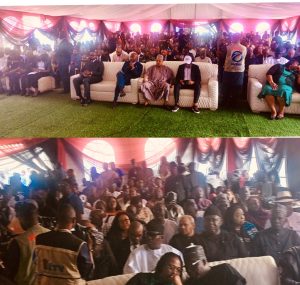
Tijani said the initiative forms part of a broader strategy aimed at building a one-trillion-dollar economy through investments in digital infrastructure. He revealed plans to deploy 90,000 kilometres of fibre-optic infrastructure nationwide and disclosed that President Tinubu had approved the launch of two additional satellites to strengthen the country’s communications capabilities.
Also speaking, the Director-General of the National Broadcasting Commission, Charles Ebuebu, described the platform as a national communications architecture designed to expand access to information, education and digital opportunities.
Managing Director and Chief Executive Officer of NIGCOMSAT, Jane Egerton-Idehen, described the Digital Switch Over (DSO) as more than a broadcasting upgrade, calling it a nation-building initiative and strategic investment in Nigeria’s digital future. She said the transition from analogue to digital broadcasting would expand access to information, create jobs, boost local content production, and provide opportunities for young innovators, broadcasters, content creators, and investors.
According to her, NIGCOMSAT’s role is to ensure connectivity reaches all Nigerians, regardless of location, through satellite infrastructure. She noted that the project would enhance education, entertainment, and economic inclusion, while supporting Nigeria’s digital transformation agenda through collaboration, leadership, and innovation.
The Deputy Speaker of the House of Representatives, Benjamin Okezie Kalu, who attended as Special Guest of Honour, hailed the initiative as a major national achievement and a testament to collaboration between government and industry stakeholders.
Kalu said the project would expand access to quality broadcasting services, attract investment, create jobs and unlock new opportunities across Nigeria’s media and creative sectors.
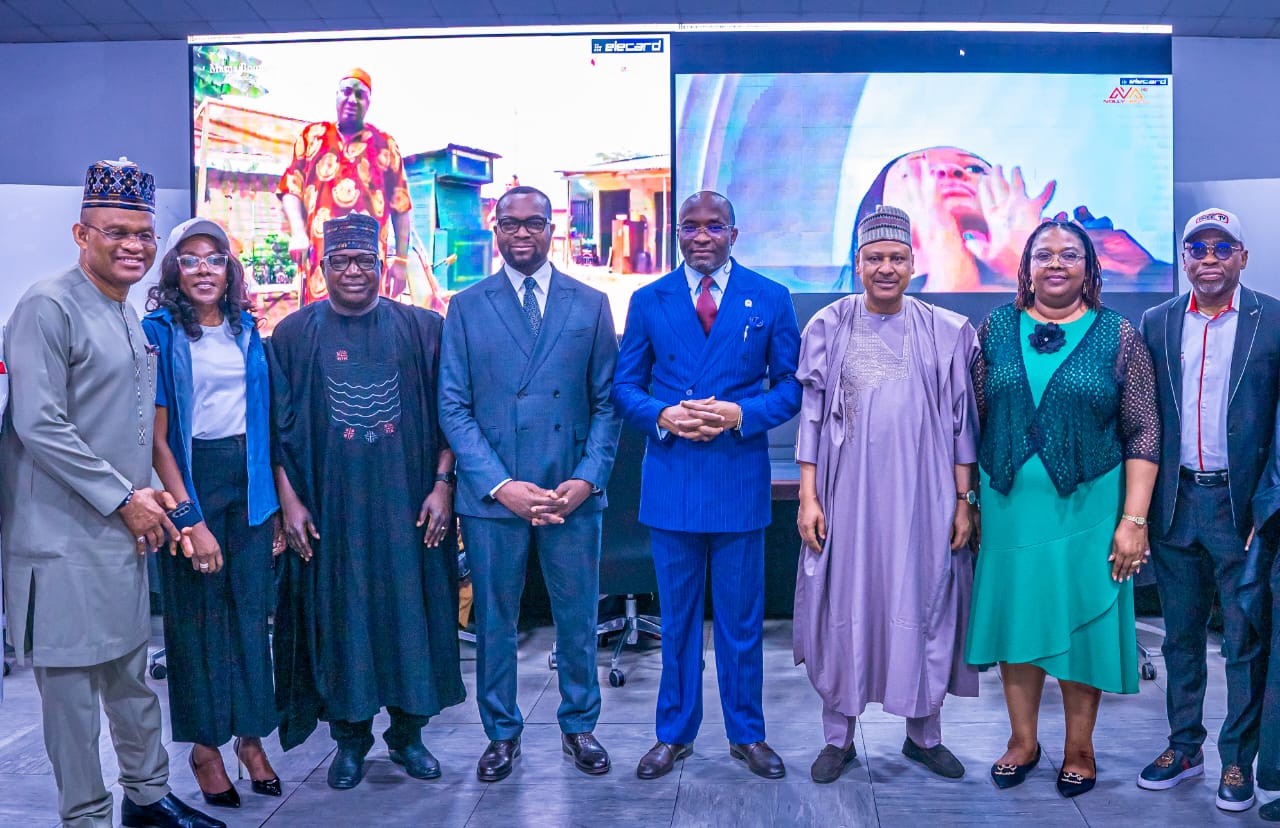
The event was attended by senior government officials, heads of federal media organisations and key stakeholders from the broadcasting and communications industries, marking what officials described as the beginning of a new era for digital broadcasting in Nigeria.