Cardoso Says Transparency, Policy Discipline Restoring Confidence in Economy
Oru Leonard
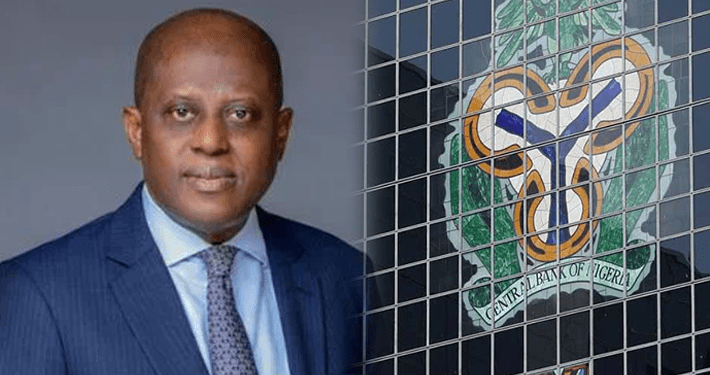
The Governor of the Central Bank of Nigeria, Olayemi Cardoso, has reaffirmed the apex bank’s commitment to orthodox monetary policy, transparency, and evidence-based decision-making, describing ongoing reforms as essential to restoring confidence in Nigeria’s economy and strengthening macroeconomic stability.
Speaking during the opening session of the Monetary Policy Committee (MPC) workshop held on Thursday, May 21, 2026, themed “Strengthening Monetary Policy Effectiveness Towards Sustainable Macroeconomic Stability,” Cardoso said the reforms introduced under the current leadership are beginning to reverse long-standing structural distortions in the economy.
He commended Deputy Governors, MPC members, directors, and stakeholders for their resilience and commitment in steering the economy through a challenging reform period.
Reflecting on the Bank’s recent history, Cardoso said the administration inherited significant institutional and policy challenges, including weakened autonomy, reduced policy credibility, and heavy reliance on unorthodox monetary interventions.
According to him, these issues blurred the line between fiscal and monetary responsibilities, weakened transparency, and reduced the effectiveness of policy measures.
The CBN Governor also noted that inefficiencies and opacity in the foreign exchange market, alongside weak fiscal-monetary coordination, contributed to inflationary pressures, exchange-rate volatility, and declining investor confidence.
He, however, stated that the Bank has since restored a more orthodox monetary policy approach, with renewed reliance on conventional instruments and the policy rate as the primary signalling mechanism under the current MPC framework.
Cardoso noted further that improvements in liquidity management, forward guidance, and policy communication have enhanced transparency and helped stabilise expectations among households, businesses, and investors.
He noted that although inflation remains elevated and requires close monitoring, recent trends indicate moderation, while exchange-rate stability has improved. He added that enhanced transparency in the foreign exchange market has strengthened price discovery, reduced volatility, and supported the gradual restoration of confidence in the economy.
Cardoso further attributed Nigeria’s increasing resilience to external shocks, including recent geopolitical developments in the Middle East, to the reforms and improved policy coordination undertaken by the apex bank.
On institutional reforms, the Governor said the Bank’s decision-making processes are now increasingly driven by data-based analysis and structured deliberations, while communication practices have become more predictable and consistent.
He explained that these reforms align with the CBN’s medium-term objective of transitioning towards a more explicit inflation-targeting framework, which would require deeper institutional reforms, stronger collaboration, and sustained technical engagement.
Cardoso also described the recently concluded banking recapitalisation exercise as evidence of effective policy coordination, extensive stakeholder engagement, and diligent supervision within the financial sector.
Reiterating the Bank’s focus on orthodox monetary policy, he cautioned against renewed calls for interventionist programmes, warning that such measures had previously distorted the Bank’s balance sheet. He stressed that the institution’s renewed credibility over the past two and a half years has largely resulted from its disciplined use of conventional monetary policy tools.
The Governor reaffirmed the Bank’s commitment to transparency, institutional strengthening, and evidence-based policymaking, stressing the need for continuous learning and adaptation in achieving sustainable macroeconomic stability.
Earlier in his welcome address, the Deputy Governor, Economic Policy Directorate, Muhammad Sani Abdullahi, highlighted the importance of broad stakeholder participation in the workshop.
He noted that facilitators were drawn from policy, research, and professional practice, adding that the diversity of perspectives would foster informed dialogue, rigorous analysis, and collaborative engagement aimed at improving monetary policy effectiveness.
Dr. Abdullahi said the workshop was designed to provide a platform for structured dialogue, technical exchange, and shared learning, especially at a time when monetary policy decisions are increasingly influenced by evolving domestic conditions, global spillovers, and heightened economic uncertainty.
The two-day workshop featured technical sessions led by experts with extensive knowledge and practical insights into monetary policy issues, focusing on policy transmission mechanisms, financial market development, analytical frameworks, and institutional processes tailored to Nigeria’s economic realities.