FRSC Trains 305 Senior Officers in Nationwide Strategic Leadership, Operational Reform Initiative
Oru Leonard
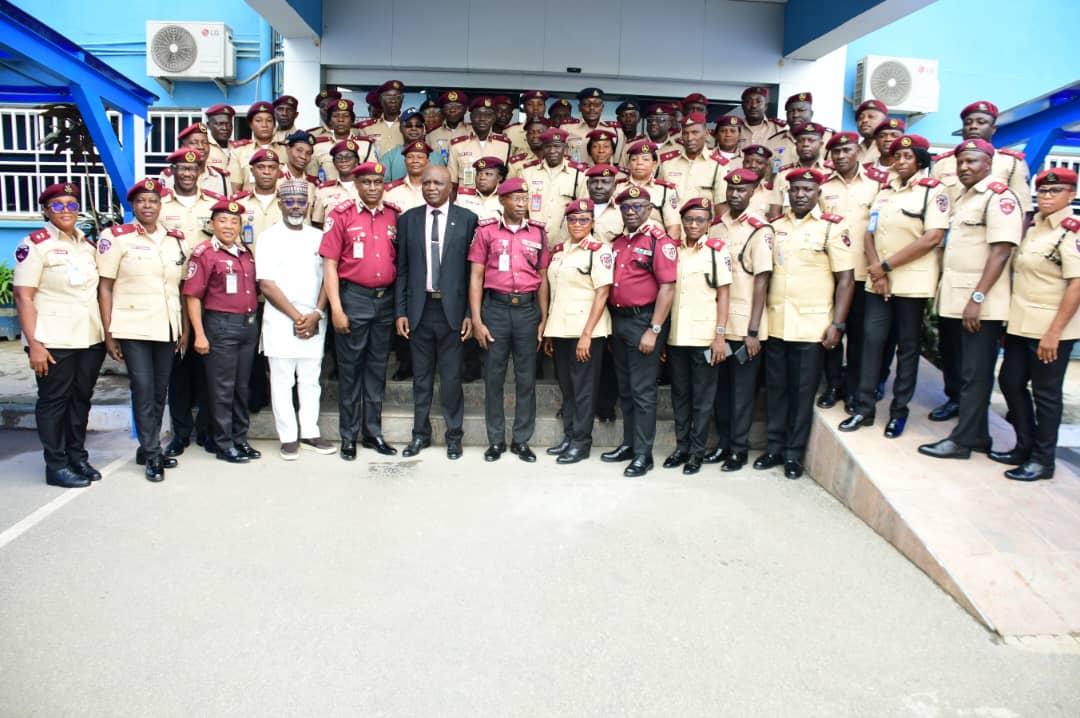
The Federal Road Safety Corps (FRSC), has commenced a strategic leadership and capacity development programme for 305 senior officers as part of efforts to strengthen operational efficiency, professionalism and service delivery across the country.
The week-long training programme, organised for Chief Route Commanders (CRCs) and Assistant Corps Commanders (ACCs), began at the ICT Training Hall of the FRSC Headquarters in Abuja and features participants drawn from formations nationwide, including the national headquarters, Zone RS7 Abuja, RS7.1 FCT, RS7.2 Niger and their respective unit commands.
Speaking at the opening ceremony on behalf of the Corps Marshal, Shehu Mohammed, the Deputy Corps Marshal in charge of Training, Abiodun Akinlade, described the initiative as a major component of the Corps’ ongoing institutional reform and transformation agenda.
He said the evolving road safety environment now requires officers to demonstrate adaptive leadership, emotional intelligence, strategic decision-making and stronger public engagement capabilities in tackling emerging traffic and road management challenges.
According to him, the era of relying solely on conventional enforcement approaches has passed, stressing that senior officers occupying strategic operational positions must align with modern realities and growing public expectations.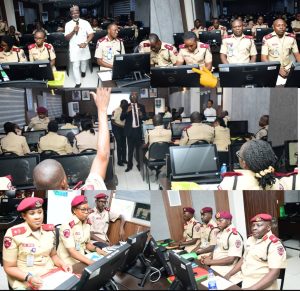
The Corps Marshal noted that the programme was specifically designed to enhance leadership competence, strengthen operational coordination, deepen mentorship culture and reinforce ethical standards among officers responsible for translating policy into field operations.
He further explained that the initiative aligns with the Corps’ broader commitment to institutionalising continuous learning, professional excellence and sustainable capacity development across all cadres.
Mohammed also commended the FRSC Training Department for developing the programme and appreciated Ai-Protech Solutions for supporting its successful implementation.
The Corps expressed optimism that the training would produce a new crop of operational leaders equipped with the skills and strategic orientation needed to improve command efficiency, enhance public service delivery and advance road safety management nationwide.