NISO, WAPP Intensify Technical Coordination Ahead of Phase II Regional Grid Synchronization
Oru Leonard
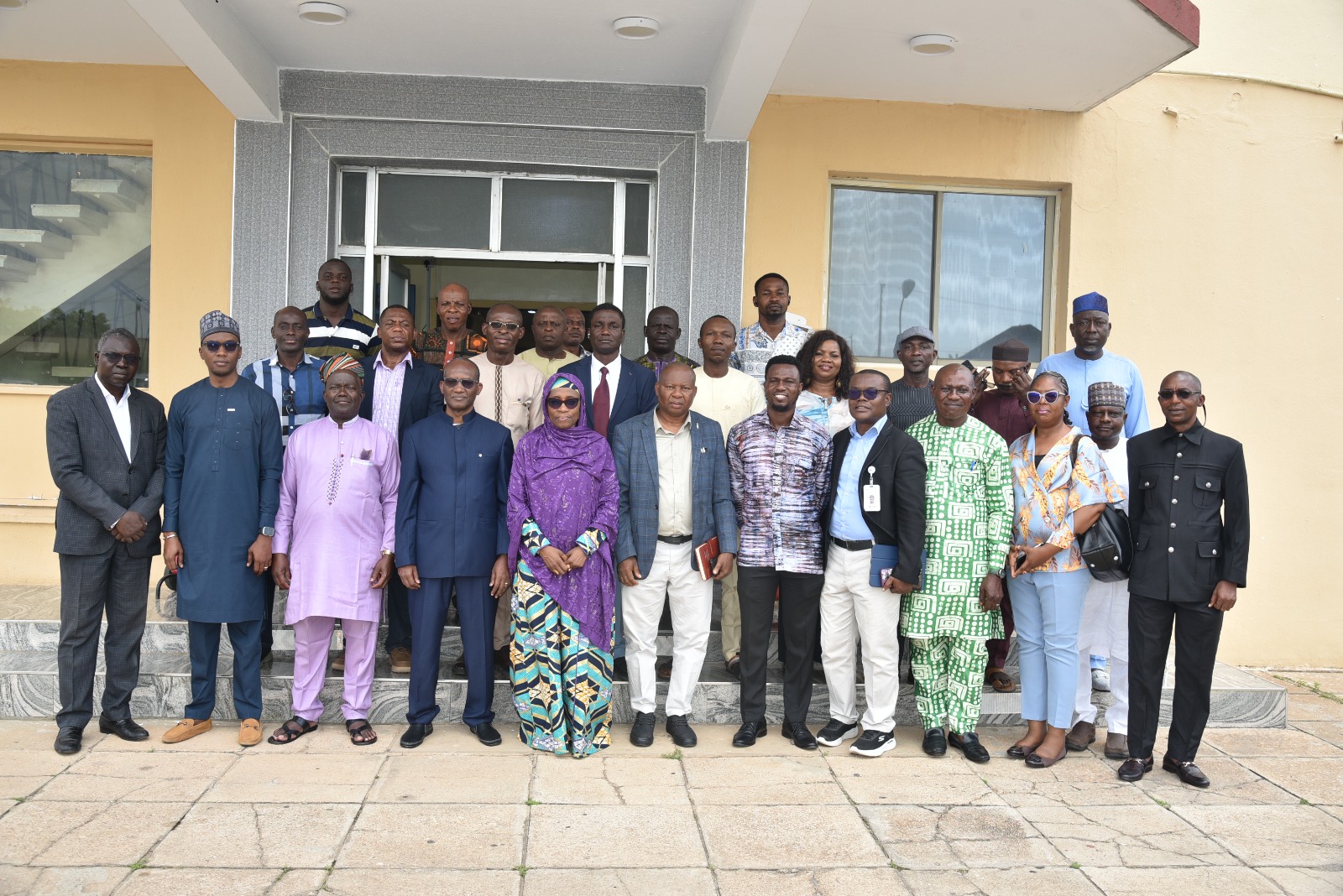
The Nigerian Independent System Operator (NISO) and the West African Power Pool (WAPP) have stepped up technical and operational coordination in preparation for the second phase of regional grid synchronization, following a high-level working visit to the National Control Centre (NCC), in Osogbo.
The engagement focused on detailed system studies, operational protocols, and readiness assessments required for the June 2026 synchronization milestone, aimed at strengthening real-time interconnection among national grids across the West African power system.
Speaking during the session, NISO’s Executive Director, System Operation, Nafisatu Asabe Ali, emphasized that transitioning from loosely coupled bilateral power exchanges to a synchronized regional grid demands strict compliance with unified operational standards. These include frequency control, voltage stability, spinning reserve adequacy, and effective contingency management across interconnected systems.
She highlighted the central role of the NCC in coordinating these operations through real-time supervisory control and dispatch enabled by its SCADA/EMS platform. According to her, the Centre oversees system balancing, outage scheduling, and grid security within Nigeria and across WAPP interconnections.
“The NCC is responsible for maintaining system frequency within acceptable limits, ensuring stable voltage profiles across transmission corridors, and coordinating both planned and forced outages to minimize disturbances,” she said.
Ali also underscored the strategic importance of cross-border transmission infrastructure, particularly the Ikeja West–Sakété 330kV line linking Nigeria and Benin Republic, describing it as a critical backbone for regional power exchange and load balancing.
She noted that Nigeria’s grid is increasingly positioned as a stabilizing anchor within the WAPP network due to its generation capacity and transmission reach. With NISO’s operationalization under the Economic Community of West African States (ECOWAS)-aligned electricity market framework, the NCC has taken on expanded responsibilities, including real-time system security assessment, ancillary services coordination, and cross-border energy accounting.
NISO further disclosed ongoing investments in grid modernization, including the deployment of an upgraded SCADA/EMS system to enhance situational awareness, automate contingency analysis, and improve response times to grid disturbances. Plans are also underway for a new National Control Centre facility to boost redundancy, scalability, and operational resilience.
On synchronization readiness, the organization reported progress in dynamic simulations, stability studies, and trial synchronization exercises with neighboring control areas to validate system performance under interconnected conditions.
On behalf of the visiting delegation, WAPP Secretary General, Abdoulaye Diaw, stressed the importance of sustained technical discipline and adherence to regional operational standards for seamless synchronization.
He commended NISO’s efforts in strengthening system operations and called for continued investment in infrastructure, capacity building, and coordination mechanisms critical to the success of Phase II.
As part of the visit, the Acting General Manager of NCC Osogbo, Umor Emmanuel, delivered a technical presentation on the Centre’s operational architecture, including its role in Automatic Generation Control (AGC), load frequency control, and its interface with regional dispatch centres.
The WAPP delegation included senior technical officials such as Oumar Diaw, Julius Abayatéye, Norbert Kindadoussi, and Issoufou Rouga, who participated in system review sessions and operational briefings.
Earlier, the delegation visited the Lagos Operations Regional Office on April 27, where preliminary coordination activities and system readiness checks were conducted ahead of the second synchronization test.