NACCIMA, Stakeholders Chart Path for Growth at WorldStage Nigeria’s Macroeconomic Outlook 2026
Oru Leonard
Key public and private sector stakeholders have called for policy consistency, structural reforms, and a shift to a production-driven economy as Nigeria navigates its economic outlook for 2026.
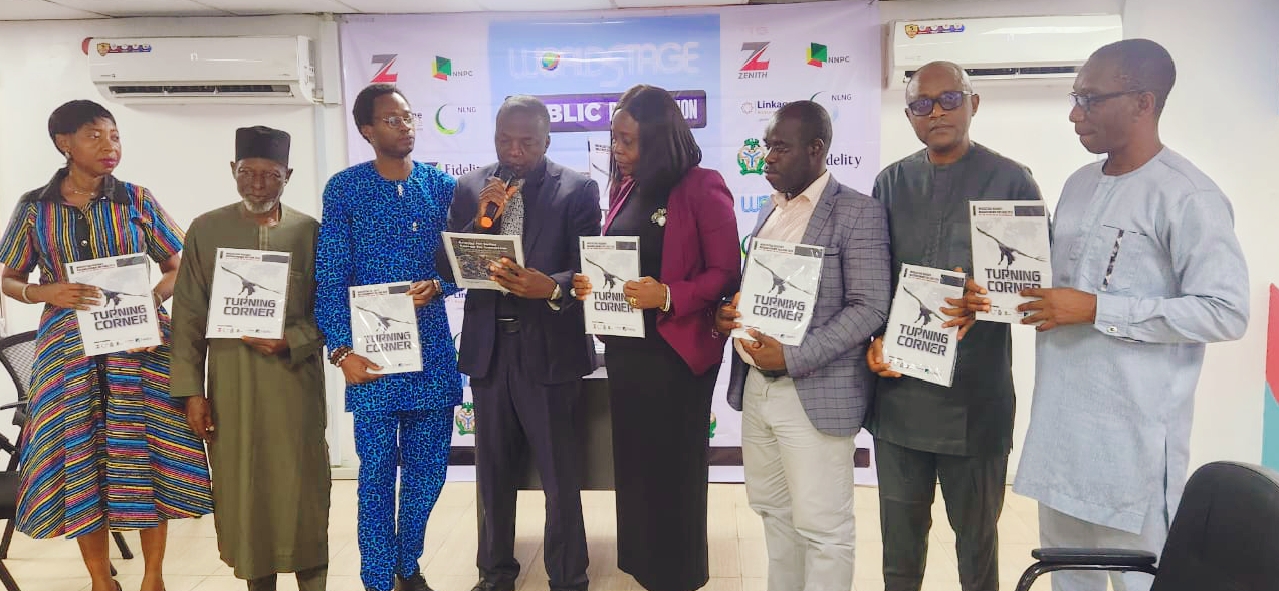
The call was made at the presentation of WorldStage Nigeria’s Macroeconomic Outlook 2026, held on March 26 at the LCCI-BOI Innovation Hub, where industry leaders, policymakers, and financial experts gathered to examine the country’s economic direction.
Dr. Praise Abina of the NACCIMA Secretariat Research Department represented the President of the Nigerian Association of Chambers of Commerce, Industry, Mines and Agriculture, Engr. (Dr.) Jani Ibrahim, who also chairs the Organized Private Sector of Nigeria (OPSN).
The event, convened by World Stage Limited, featured notable participants including media entrepreneur Segun Adeleye, Lagos State Commissioner for Information and Strategy Gbenga Omotoso (represented by Temilade Aruya), alongside Nike Popoola, Segun Koiki, and Olumide Iyanda.
Representatives of major institutions such as Central Bank of Nigeria, NNPC Limited, Nigeria LNG Limited, and leading banks including Zenith Bank and Fidelity Bank were also in attendance.
Discussions centred on the 2026 outlook themed “Turning the Corner,” with participants emphasising the importance of sustained reforms, improved policy coordination, and economic diversification. Key concerns highlighted included persistent inflationary pressures, infrastructure deficits, high cost of capital, and constraints to private sector growth.
Presenting its position, NACCIMA underscored the need for structural transformation, particularly through strengthening the non-oil sector, enhancing productivity, and ensuring policy clarity to boost investor confidence.
The forum concluded with a strong consensus on the urgency of coordinated policy execution and deeper collaboration between government and the private sector to achieve inclusive and sustainable economic growth.