40 Years After Dele Giwa’s Murder, MRA Demands Action on Court Order
Oru Leonard
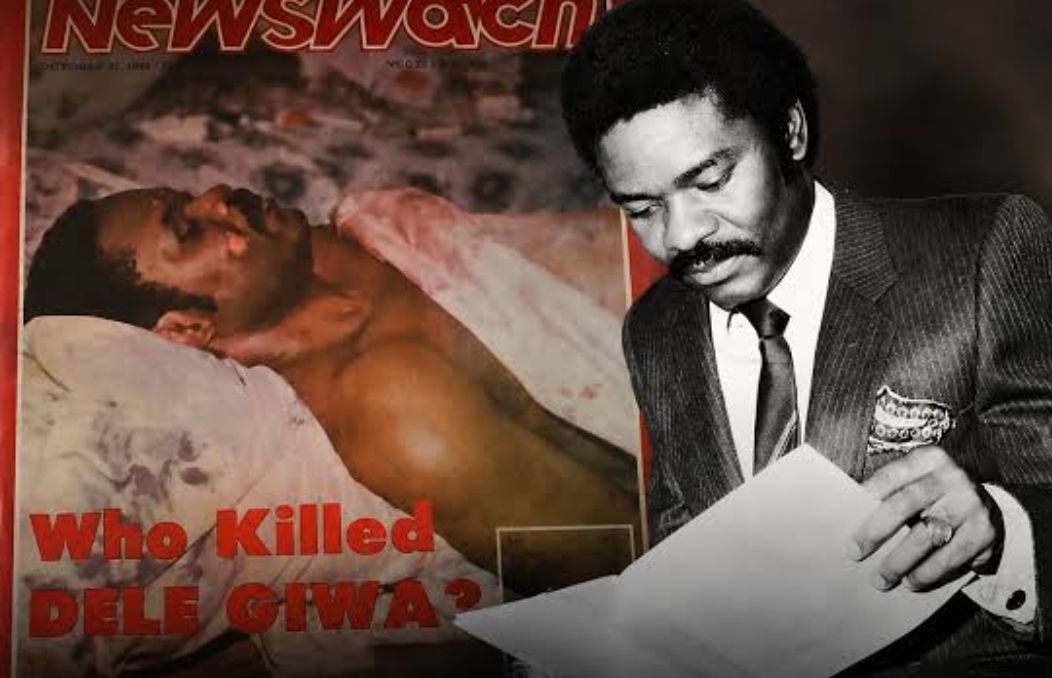
Media Rights Agenda (MRA) has called on the Federal Government to implement a court order directing the investigation and prosecution of those responsible for the assassination of renowned journalist and founding Editor-in-Chief of Newswatch magazine, Dele Giwa, 40 years after his death.
The organisation made the call on Monday, October 19, 2026, to mark the 40th anniversary of Giwa’s assassination, which occurred on October 19, 1986, when a parcel bomb was delivered to his residence in Ikeja, Lagos.
MRA described the continued failure to resolve the case as a troubling example of impunity for crimes against journalists, stressing that the government must demonstrate its commitment to justice by taking concrete steps to identify and prosecute those responsible.
In a statement issued in Lagos, the organisation’s Deputy Executive Director, Ayode Longe, said the anniversary should go beyond commemorating Giwa’s contributions to Nigerian journalism to renewing demands for accountability over his murder.
“Forty years is far too long for the assassination of a journalist of Dele Giwa’s stature to remain unresolved,” Longe said, warning against allowing the anniversary to become an annual ritual of tributes without tangible progress towards justice.
He recalled that MRA secured a judgment at the Federal High Court in Abuja on February 16, 2024, in a suit against the Attorney-General of the Federation. According to him, the court directed the Federal Government to investigate Giwa’s assassination and other unresolved killings of journalists and ensure that those responsible are prosecuted.
However, Longe expressed concern that the government had yet to demonstrate any concrete progress in implementing the judgment.
He said the authorities had not provided a clear account of the steps taken to establish the circumstances surrounding Giwa’s death, identify the perpetrators or pursue legal action against them.
The MRA deputy executive director urged the Attorney-General of the Federation, the Nigeria Police Force and other relevant agencies to disclose the status of the investigation and explain the measures being taken to enforce the court’s directive.
He also called for a comprehensive review of historical investigation records, witness testimonies, documentary evidence and other relevant materials that could help uncover the circumstances of the assassination.
Longe maintained that the passage of time should not prevent the authorities from pursuing justice, urging investigators to employ modern forensic methods and other lawful investigative techniques where necessary and feasible.
According to him, the unresolved case continues to undermine confidence in the protection of journalists and sends a dangerous message that those who attack media professionals may escape punishment.
He warned that failure to hold perpetrators accountable could encourage further attacks against journalists, particularly those whose work involves investigating public affairs, exposing wrongdoing and holding public officials accountable.
Longe said MRA’s campaign for justice in Giwa’s case was part of its broader efforts to end impunity for the killing of journalists in Nigeria.
He urged the Federal Government to strengthen mechanisms for journalists’ safety, ensure prompt and effective responses by law enforcement agencies to threats against media practitioners, and demonstrate through concrete action that violence against media professionals would not be tolerated.
The organisation also stressed that Giwa’s legacy remains closely tied to the development of independent journalism in Nigeria and the media’s responsibility to promote transparency, accountability and citizens’ right to information.
Longe said the most meaningful way to honour the late journalist would be to make demonstrable progress towards resolving his murder, secure justice for his family and establish stronger protections for journalists across the country.
He added that ending impunity for crimes against journalists was essential to safeguarding press freedom and ensuring that media professionals could carry out their duties without fear of violence or intimidation.