We Are Destroying Ourselves’: Ataguba Condemns Online Attacks, Political Violence Among Igala Youths
Maryam Aminu
The National Leader of the Ukomu Igala Organisation, Maj. Gen. James Alilu Ataguba (retd.), has raised alarm over what he described as self-inflicted damage to the Igala nation, warning that rising online abuse, political intolerance, and violent political activities among Igala youths are steadily eroding unity and threatening the group’s collective future.
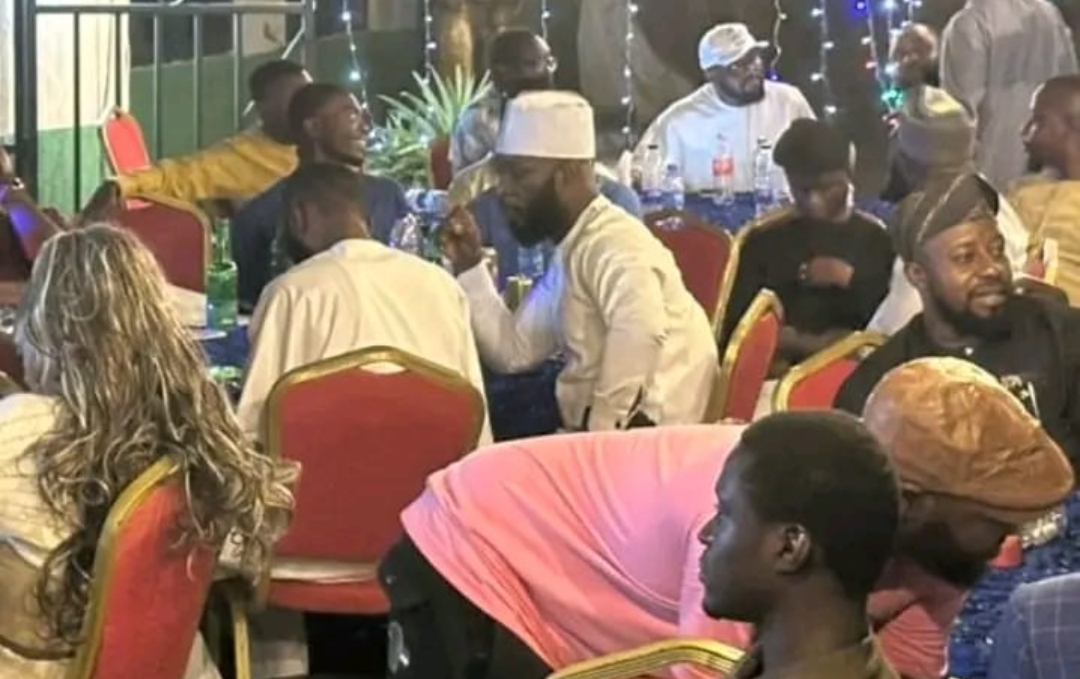
Ataguba delivered the warning on Friday in Abuja while addressing Igala social media influencers at a dinner meeting, where he urged youths and online commentators from Kogi East to reject personal attacks and destructive political loyalty, and instead embrace responsible political engagement anchored on accountability, fairness, and truth.
The retired general expressed deep concern over the increasing use of abusive and inflammatory language on social media, describing the trend as a dangerous departure from Igala cultural values and a major factor weakening social cohesion within the ethnic group.
According to him, political differences should never justify character assassination, cyberbullying, or incitement, noting that such conduct diminishes the moral standing of individuals and damages the collective image of the Igala people.
“You think you are defending a political leader by insulting his opponent, but every insult you throw defines you more than the person you abuse,” Ataguba said.
He warned that reckless online behaviour leaves lasting digital footprints capable of shaping public perception and negatively affecting personal credibility, family reputation, and future opportunities.
The Igala leader also cautioned youths against blind loyalty to politicians, observing that political actors often resolve their differences privately while their supporters remain trapped in hostility, division, and resentment.
He questioned why many politicians deliberately shield their own children from political propaganda, online confrontations, and street-level conflicts, urging young people to reflect critically on why they are often used as foot soldiers in political battles.
Ataguba further condemned political violence, recalling incidents in which innocent citizens lost their lives during election-related unrest and power struggles, describing such acts as inhumane, unjustifiable, and incompatible with democratic values.
“Politics should not be about killing, intimidation, falsification of results, or imposing unqualified individuals on the people,” he said, stressing that democracy thrives on dialogue, persuasion, and respect for human life.
The retired general attributed Nigeria’s slow development partly to poor leadership choices made by voters, urging citizens to prioritise competence, character, and credibility over ethnicity, money, or short-term political gains.
He criticised the tendency of educated citizens to openly or silently support unqualified candidates for personal advantage, warning that such decisions ultimately undermine governance, stability, and national progress.
Ataguba charged social media influencers and opinion leaders to use their platforms responsibly by promoting transparency, truth, and issue-based discussions, even when faced with financial pressure or inducements from political actors.
“If a politician gives you money, collect it if you must, but tell him the truth if he is not qualified,” he said, adding that silence in the face of incompetence amounts to complicity.
Expressing concern over what he described as the gradual weakening of the Igala nation due to internal divisions and questionable political decisions, Ataguba called on Igala sons and daughters to rediscover shared values, strengthen internal unity, and work collectively towards a peaceful, progressive, and politically conscious society.
Also speaking at the event, a former National Women Leader of the All Progressives Congress (APC), Hajiya Salamatu Baiwa Umar-Eluma, lamented the growing culture of hostility, cyberbullying, and personality attacks on social media among Igala youths.
Umar-Eluma said many young people now prioritise attacking individuals and spreading misinformation rather than engaging in issue-based and policy-driven political conversations, noting that such behaviour fuels division and stalls development.
She explained that the dinner meeting was convened to promote dialogue, introspection, and mutual understanding among Igala youths, particularly those with strong online influence.
According to her, the initiative was not designed as a disciplinary forum but as a safe space for honest engagement, self-correction, and collective efforts at resolving differences within the community.
She urged Igala youths to embrace constructive conversations, civic responsibility, and peaceful political participation as critical tools for fostering unity and strengthening the socio-political development of the Igala nation.