The Emerald Republic: Discovering the Untamed Symphony of Isuikwuato
By Dr. Iyke Ezeugo
Tucked away from the concrete jungles, the relentless hum of screens, and the frantic pace of modern life, there lies a sanctuary where the eartph refuses to be modest. Deep within the quiet lungs of Isuikwuato, a verdant masterpiece unfolds every single day.
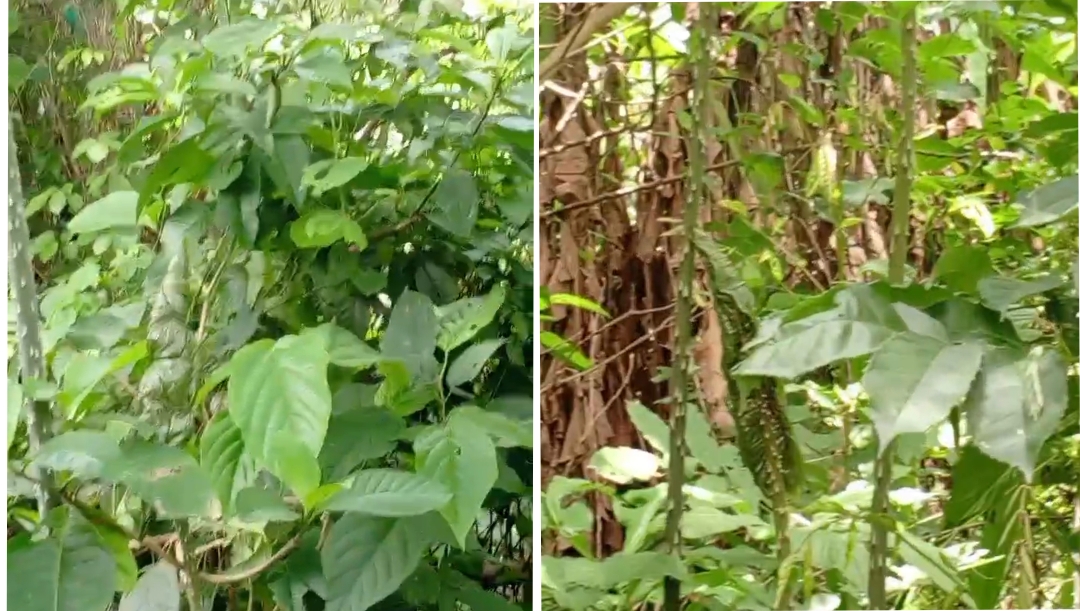
Fascinated by how homes are sandwiched in between these patches of wealthy ecology, I walked the neighborhood. My grand purpose, of course, was to savor nature. But the beauty I beheld compelled me to open my camera, desperate to satisfy my curious heart. What I found was not just a bush or a simple stretch of vegetation. It was a collection of homes surrounded by a living, breathing republic of green—a cathedral of chlorophyll where every leaf, stem, and hidden root knows a profound secret that our modern cities have since lost and regrettably forgotten.
Historically, our ancestors understood the sanctity of the Okwu, ji-ama, Oba, etc.—the sacred groves where the physical world and the spiritual realm seamlessly intertwined. Today, if you have ever yearned to disconnect from the dust and noise of the world and reconnect with the earth in its purest, most ancient form, the breathtaking woodlands of Isuikwuato are calling your name.
The Architecture of Collaborative Chaos
From the outside, a passerby might dismiss it as mere pockets of bushes or greens. But step closer. Do not even bend down; just stand straight and look. What you will witness is a masterclass in collaborative, living green chaos.
The first thing that strikes you is the sheer audacity of the ecosystem. It is not the polite, manicured green of a city park, planted by human intervention with its experimentations and imperfections arising from limitations in knowledge. It is the deep, proud, almost arrogant green of flora that has decided to live fully alongside human habitats. Towering palms, coconut, ube, mango, ochicha, and many other varieties of trees with bark like ancient leather stand shoulder-to-shoulder with slender, unnamed shrubs living in their natural state. Weeds—if you dare call them that—rise with the confidence of royalty. Grasses weave intricate carpets beneath your feet, while indigenous creepers climb their neighbors like children embracing their elders.
The ISAREP blend
It is out of a profound reverence for this very magic—the golden richness of the soil, the collaborative harmony of the flora, and the abundant life they nurture—that the ICF initiated Isuikwuato Agricultural Revolution Programme (ISAREP) was born. The ISAREP initiative is thoughtfully designed to champion, elevate, and preserve this ecological wealth, transforming nature’s symphony into sustainable, generational value for the community and its people.
In many environments, as is common in cities and those other communities, the fight for sunlight and nutrients is a brutal, chaotic scramble. Yet here, the forest tells a completely different story: a competition without cruelty. It is the living embodiment of the Isuikwuato Nwanneukwu spirit and the ancient Daoist philosophy of Wu Wei—effortless action and natural alignment. Uncountable species push upward at their own rhythm—some fast, some painstakingly slow on the outside but with strong and deeply roots underground— none resent the other. They share the same tropical sun. They drink from the same abundant rain. Beneath the soil, a microscopic universe of fungal threads connects them with no traffic jam, allowing them to trade nutrients and whisper through their roots. It is a bustling market square of life where everyone trades in light and earth, and nobody leaves empty.
The Alchemy of the Soil
You do not need to be a pedologist (soil scientist) or a botanist to recognize the unrivaled health of this land; you can feel it. You see it in the thick vitality of every stalk and in the way the broad banana leaves and majestic palm fronds hold themselves—not limp, not desperate, but firm, waxy, and vibrantly alive.
Like the fabled alchemists of antiquity who sought to turn lead into gold, the earth in Isuikwuato performs a daily miracle. This earth is not merely dirt. It is predominantly dark and rich read in some places, crumbling gold. Generations of fallen leaves, decayed wood, and the gentle baptism of rain have transformed the ground into a nutrient-rich banquet table that never closes. The flora does not just survive in Isuikwuato; it feasts. The multi-layered canopy acts as a living prism, filtering the fierce tropical sun into a soft, dappled glow that bathes the undergrowth in liquid emerald.
Breath and Being: The Ultimate Reset
Here is what the high-definition photographs and videos cannot fully capture: the air.
When the gentle breeze sweeps through Isuikwuato, the forest comes alive in motion, turning a million leaves into tiny, waving fans. But it is the scent and the texture of the air that alters you. It is crisp, thick, cool, and deeply oxygenated in a way no bottled fragrance or air purifier could ever imitate. Over a century and a half ago, Henry David Thoreau went to the woods to live deliberately; in Isuikwuato, one merely needs to step onto the porch to find that same deliberate, unhurried existence.
The First Breath: Your chest smiles and uddenly remembers what pure oxygen is supposed to taste like.
The Second Breath: The tension leaves your jaw, and your shoulders drop an inch as the primal practice of “forest bathing” calms your nervous system.
The Third Breath: You forget you ever had a phone in your pocket. This is why the video I started was never completed.
The Fourth Breath: You begin to wonder why humanity ever chose to live anywhere else.
An Invitation Wrapped in a Warning
As I stood there watching the foliage sway—feeling as though the forest was literally waving its green hands to say, “You see us. You see how good it is to be alive here,”—I came away with something entirely unexpected.
I felt envy.
Envy of the weeds. Envy of the ancient trees. Envy of a place that, much like the stoic philosophers of old, has never once worried about being productive enough, beautiful enough, or fast enough. It simply is.
Reading about the lushness of Isuikwuato is only the prologue. To truly understand its magic, you must feel the damp, fertile earth beneath your boots. You must listen to the silent symphony of a million green things growing at their own pace, together.
So, here is my invitation, written in leaf and shadow: Pack a bag. Leave the noise behind. Come home to Isuikwuato and let the silence teach you what the city never could—that true growth is not a frantic race; it is a majestic, joyful dance.
But be warned:
Once you breathe this untamed air and witness this unspoiled paradise, your living room will feel a little smaller. Your lawn will feel a little thinner. And you will dream, perhaps for the rest of your days, of a vibrant woodland where even the weeds live like kings.
The green is waiting.