Strengthening NISB’s Regularatory Operations: The Case for Presidential Oversight

“Let us make safety not just a slogan, but a way of life…”- Capt. Bade Jnr
Oru Leonard
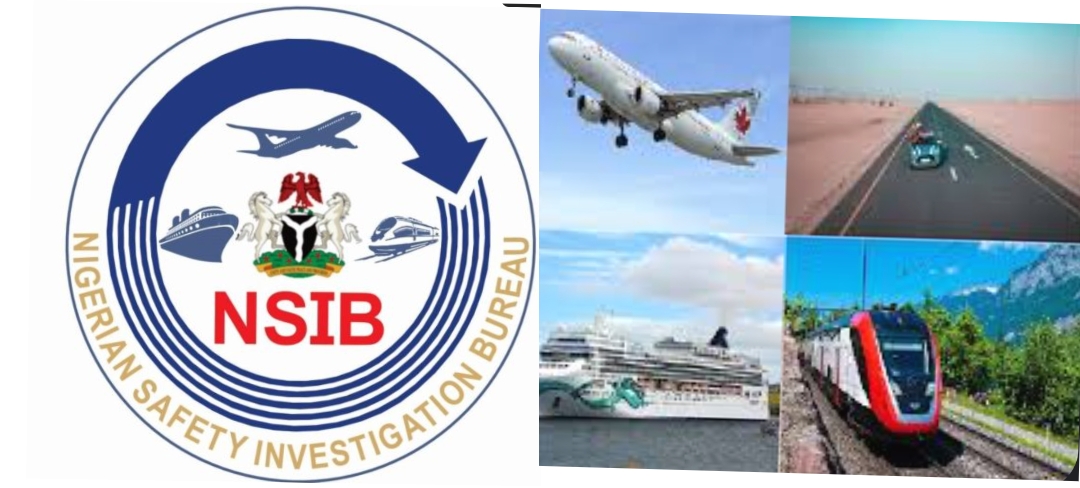
The recent upgrade of the Aviation Investigation Bureau to the National Safety Investigation Bureau (NSIB), is a significant step towards enhancing transportation safety across all modes in Nigeria, including:
– Aviation: Air travel safety investigations and regulations
– Road Transportation: Safety oversight for buses, trucks, and other vehicles
– Rail Transportation: Safety regulations and investigations for rail networks
– Maritime Transportation: Safety oversight for ships, ports, and waterways
– Inland Waterways: Safety regulations and investigations for inland water transportation
To further bolster the effectiveness of the NSIB and similar establishments, placing them under the Presidency could offer several advantages.
Benefits of Presidential Oversight
1. Enhanced Autonomy: Directly reporting to the Presidency could grant the NSIB greater independence, allowing it to operate without undue influence from any single ministry.
2. Unified Approach: Presidential oversight might facilitate a more cohesive national safety strategy, ensuring that investigations and safety recommendations are prioritized across different transportation sectors.
3. Increased Authority: Being under the Presidency could potentially amplify the NSIB’s authority, enabling it to enforce safety regulations and recommendations more effectively.
Considerations for Implementation
1. Clear Mandates: Define clear mandates and responsibilities for the NSIB and similar bodies under presidential oversight to avoid overlap and ensure efficient operation.
2. Resource Allocation: Allocate adequate resources and funding to support the enhanced role and responsibilities of these agencies under the Presidency.
3. Accountability and Transparency: Establish robust mechanisms for accountability and transparency to maintain public trust and ensure that the agencies operate in the best interest of national safety.
Conclusion
Placing the NSIB and similar establishments under the Presidency could be a strategic move towards strengthening Nigeria’s transportation safety framework. With careful planning, clear mandates, and sufficient resources, this restructuring could lead to improved safety outcomes across all modes of transportation in Nigeria.
About the writer
Mr Oru Leonard Oru is a Nigerian media professional who has made significant strides in the advertising and transportation sectors. Here are some key highlights about him
– Abuja Transportation and Aviation Correspondent (ATACA) Chairman, February 2023 – February 2025.
– Fellow of ARCON, which underscores his expertise and commitment to the media and advertising profession.
– Member of Nigerian Institute of Management (NIM): He is also a full member of NIM, demonstrating his involvement in management and professional development during his work experience in the manufacturing sector
– Publisher of News Dot Africa and consults for other Magazines, recognizing his contributions to the media circle.
– Vice Chairman, Nigerian Bangladesh Business and Technology Forum (NBBTF) and Member Ikom Chambers of Commerce Industries Minies and Agriculture (IKOMCIMMA).
–