Nigeria Pushes Climate Innovation, Regional Cooperation at World Meteorological Day 2026
Oru Leonard
Nigeria has reaffirmed its commitment to climate resilience and technological advancement as it joined the international community to commemorate World Meteorological Day 2026, calling for stronger action to address growing environmental challenges.
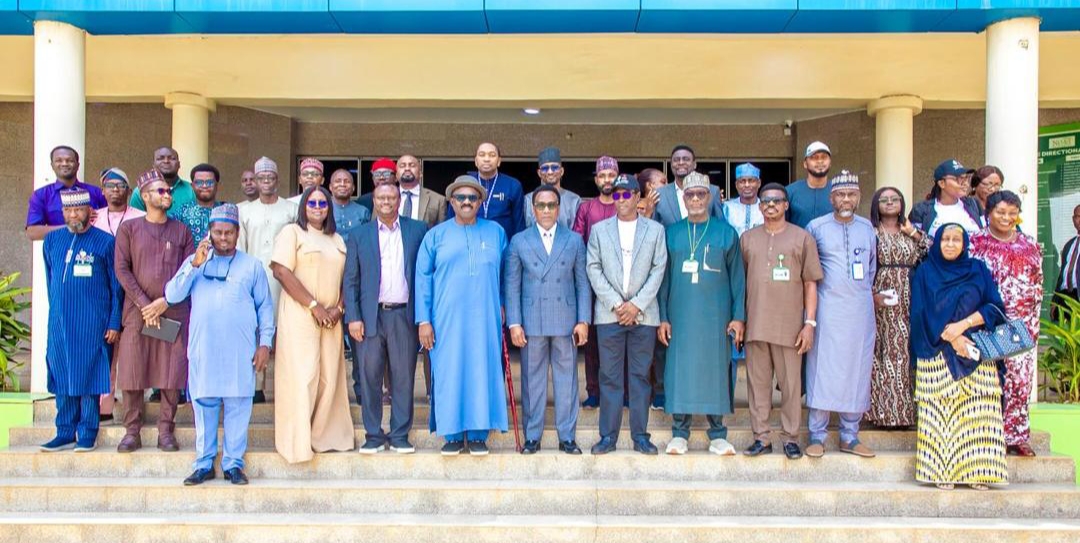
The event, hosted on March 25 at the headquarters of the Nigerian Meteorological Agency in Abuja, convened key stakeholders from government institutions, the aviation industry, scientific bodies, and development partners.
With the theme “Observing Today, Protecting Tomorrow,” this year’s celebration underscored the importance of accurate weather and climate data in safeguarding lives, supporting economic activities, and strengthening disaster preparedness.
Marked annually on March 23, World Meteorological Day commemorates the founding of the World Meteorological Organization and highlights the increasing relevance of climate science amid intensifying global risks.
Delivering his keynote address, Director-General of NiMet, Charles Anosike, said Nigeria is making significant strides in upgrading its meteorological systems to improve forecasting precision and early warning mechanisms.
He noted that integrated data from terrestrial stations, aircraft, marine platforms, and satellites has enhanced the reliability of weather predictions, benefiting sectors such as aviation, agriculture, disaster risk management, and national development planning.
Anosike further revealed that Nigeria has been providing technical assistance to countries including Liberia, Niger, Somalia, and Burkina Faso, as part of efforts to deepen regional collaboration in weather observation and climate services.
He emphasized that tackling climate change requires collective global action, urging increased investment in modern forecasting technologies and stronger international partnerships.
Also speaking, Chris Najomo highlighted the crucial role of meteorological services in aviation safety, stressing that timely and accurate weather information is vital for preventing air travel risks.
Other contributors, including officials from the Nigeria Hydrological Services Agency, called for sustained funding, innovation, and inter-agency collaboration to strengthen climate services and build long-term resilience.
Speaking on behalf of the WMO Secretary-General’s goodwill message, the WMO Rep for North Central and the West African Regions- Dr Roland Abah urged participants to confront rising climate risks, with extreme weather now the top global threat. Africa faces worsening impacts. Strengthening observation systems and investing in NiMet, with public and private support, is vital to improve early warnings, guide planning, and build resilience for the future. participants were urged to confront rising climate risks, with extreme weather now the top global threat. Africa faces worsening impacts. Strengthening observation systems and investing in NiMet, with public and private support, is vital to improve early warnings, guide planning, and build resilience for the future.