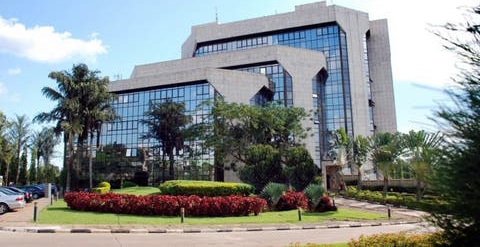
NDIC Intensifies Debt Recovery to Boost Depositor Protection
Oru Leonard
The Nigeria Deposit Insurance Corporation (NDIC), has intensified efforts to recover outstanding loans and other risk assets of failed financial institutions, underscoring that aggressive debt recovery is crucial to depositor protection and the stability of Nigeria’s financial system.
Speaking on Thursday at a sensitisation programme for debt recovery agents in Abuja themed “Operationalising the provisions of the NDIC Act 2023 for effective debt recovery,” Director of Asset Management, Mrs. Patricia Okosun, described loan recovery as the primary funding source for reimbursing depositors of failed banks.
“What we are concerned with here are the risk assets — the loans and advances that were given out when the banks were still in operation,” Okosun said. “These loans are what we recover and deploy to pay depositors after the insured sums have been settled.”
Okosun disclosed that NDIC currently manages assets from more than 600 failed financial institutions, including commercial banks, microfinance banks and other deposit-taking institutions.
“When a bank fails, all its assets are transferred to NDIC,” she explained. “Our mandate is clear: we must recover every recoverable loan because that is how we protect depositors and maintain confidence in the system.”
She noted that the sensitisation programme was organised to address knowledge gaps among recovery agents, many of whom were not fully aware of the statutory powers granted under the NDIC Act 2023.
“This is not an Act that everybody knows in detail,” she said. “So we are telling them, ‘These are the powers we have, and these are the powers we are transferring to you as our agents to help recover these risk assets.’”
According to Okosun, NDIC-appointed recovery agents operate on commission and are expected to deploy both legal and operational mechanisms in pursuing debtors.
She identified litigation as a major obstacle, noting that debtors often file court actions to delay enforcement.
However, she stressed that the amended law empowers NDIC to foreclose on certain collaterals — particularly those backed by legal mortgages — even when court proceedings are ongoing.
“If someone has agreed that their house should be sold in the event of default, the law empowers us to act,” she said, expressing optimism that agents would now utilise the full scope of their authority.
Also speaking, Director of Legal Services, Mr. Kushimo Oladipo, said the 2023 amendment significantly strengthened NDIC’s authority, especially in debt recovery.
“The Act was improved to enhance the powers of NDIC because of the critical role debt recovery plays in deposit guarantee and financial system stability,” Oladipo stated. “You cannot talk about depositor confidence without talking about how quickly and effectively we recover the assets of failed banks.”
Oladipo emphasised that payments to depositors beyond insured limits depend largely on realised assets from failed institutions.
“The insured sum and any additional payments are based on realised assets,” he said. “That is why speeded recovery of debt is not optional; it is essential.”
He explained that the programme brought together legal practitioners and asset recovery professionals to operationalise the amended Act, identify criminal infractions in debt recovery, trace debtors’ assets and ensure enforcement of court judgments.
“There is no value in getting judgment if you cannot reap the fruit of that judgment,” he said, urging participants to share operational challenges to enhance collaboration.
Linking the recovery drive to broader economic objectives, Oladipo noted that a stable banking system is fundamental to financial inclusion and national growth.
“When people know their money is safe in the bank, they are encouraged to deposit,” he said. “That confidence allows funds to move from the surplus sector to the deficit sector of the economy, which is critical if Nigeria is to build a strong economy.”
He expressed confidence that enhanced legal tools, better-informed recovery agents and stronger collaboration would significantly improve loan recovery, reinforce public trust and strengthen Nigeria’s overall financial stability.
Source: The Whisler