NACCIMA Participates in World Bank Group (WBG) Nigeria Country Partnership Framework (CPF) Private Sector Consultations
Oru Leonard
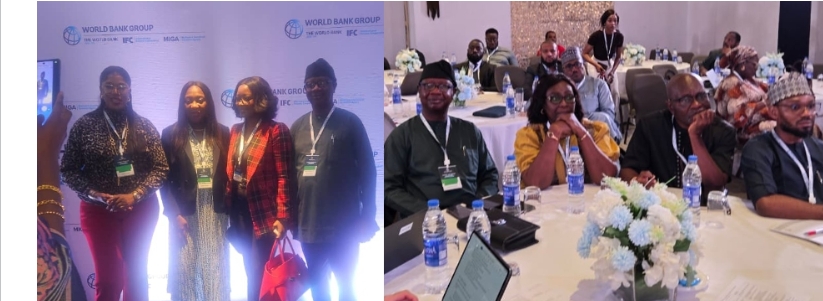
The Nigerian Association of Chambers of Commerce, Industry, Mines and Agriculture (NACCIMA), participated in the World Bank Group (WBG), Nigeria Country Partnership Framework (CPF), Private Sector Consultations on Monday, 2 February 2026, at the Lagos Marriott Hotel, Ikeja. The meeting as regards opportunities anchored by the World Bank private sector arm, the International Finance Corporation (IFC) brought together public and private sector leaders to shape the WBG’s FY2026–2032 engagement with Nigeria, focusing on private-sector-led growth, investment mobilisation, competitiveness, and job creation.
Discussions highlighted priority sectors for employment and value addition, including manufacturing, agribusiness, services, and exports, while addressing policy, regulatory, infrastructure, and financing constraints limiting firm growth and competitiveness.
The Association was represented by President, Port-Harcourt Chamber of Commerce, Dr. Chinyere Nwoga; NACCIMA Director General, Sola Obadimu; Mrs. Flora Ndifon, President, Ikom Chamber of Commerce; Mr. Ope Alaran, and Dr. Praise Abina, all of whom actively engaged in the dialogue to reinforce private sector priorities, including investment certainty, regulatory coherence, and inclusive growth. Also present was the Director-General of Lagos Chamber of Commerce, Dr. Chinyere Almona and representing other arms of the Organised Private Sector of Nigeria was Engr. Chris Ifeanyi Oputa, Director-General of NASSI.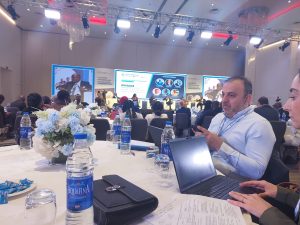
The consultation was guided by senior World Bank Group leadership, including Mr. Ousmane Diagana, IBRD Regional Vice President for Western and Central Africa; Mr. Ethiopis Tafara, IFC Regional Vice President for Africa; Ms. Dahlia Khalifa, IFC Director for Nigeria and Central Africa; Mr. Mathew A. Verghis, World Bank Country Director for Nigeria; and Mr. Ed Mountfield, MIGA Vice President, who collectively addressed macroeconomic alignment, investment mobilisation, reform priorities, and investor confidence.
Panel contributions reflected practical sectoral experience across the economy. Mr. Bolaji Balogun of Chapel Hill Denham spoke on capital markets; Ms. Folake Soetan of Ikeja Electric on power sector reform; Mr. Roosevelt Ogbonna of Access Bank on SME finance; and Ms. Baliqees Salaudeen of Green Republic Farms on agribusiness value chains. Additional perspectives were shared by Mr. Moses Babatope of The Nile Media Entertainment Group on the creative economy; Mr. Deepak Bhojak of Tolaram on manufacturing scale; Ms. Surrayah Ahmed of Task Master Youth Entrepreneurship Investment Bank on youth enterprise finance; Mr. Lars Johannisson of Rack Center on digital infrastructure; Mr. Kola Masha of Babban Gona on inclusive agribusiness; Mr. Temitope Toogun of Cognity Advisory on firm competitiveness; Dr. Henrietta Onwuegbuzie of Lagos Business School on innovation; Ms. Njide Ndili of PharmAccess on health financing; and Ms. Habiba Suleiman of TGI Group on strategic partnerships.
NACCIMA’s engagement reaffirmed its commitment to constructive policy dialogue and private sector advocacy, positioning the Organized Private Sector as a strategic partner in shaping a pragmatic, investment-driven Country Partnership Framework aligned with Nigeria’s long-term development aspirations.
(NACCIMA Secretariat, 2nd February 2026)