Investors Endorse Nigeria’s Financial Reforms at London Capital Forum
Oru Leonard
LONDON – International investors and financial leaders have expressed strong confidence in Nigeria’s ongoing economic reforms, describing them as credible and impactful during the Africa Capital Forum held in London.
The forum, themed “From Stabilisation to Capital Mobilisation,” was jointly organised by the Central Bank of Nigeria and the UK Foreign, Commonwealth and Development Office. It took place at The Peninsula London alongside the state visit of Bola Ahmed Tinubu to the United Kingdom.
Bringing together global investors, development finance institutions, and fintech stakeholders, the event focused on strengthening Nigeria’s financial system and unlocking long-term investment opportunities.
The British Deputy High Commissioner to Nigeria, Jonny Baxter, reaffirmed the United Kingdom’s commitment to Nigeria’s economic growth, highlighting longstanding ties in banking and capital markets. He stressed the need to translate growing investor confidence into sustainable, long-term investments.
Also speaking, Odile Renaud-Basso, President of the European Bank for Reconstruction and Development, commended Nigeria’s economic outlook, citing its large population, increasing adoption of technology, and strong innovation potential as key drivers of growth.
On his part, Steve Gray emphasised that fiscal transparency remains critical to sustaining investor confidence, noting that Nigeria’s current reforms are already improving transparency and market trust.
In a similar vein, Melis Ekmen Tabojer stated that recent policy changes have significantly enhanced investor perception and policy credibility in Nigeria.
Representing the Minister of Finance, Special Adviser to the President on Finance and Economy, Sanyade Okoli, underscored the government’s commitment to quality growth. She, however, noted that achieving this objective would require strong partnerships and increased equity investment from both local and international stakeholders.
Discussions at the forum also featured senior officials of the Central Bank of Nigeria, including Deputy Governors Muhammad Sani Abdullahi and Philip Ikeazor. They highlighted improvements in macroeconomic stability, including rising foreign reserves, a more stable foreign exchange market, and declining inflation.
Abdullahi revealed that Nigeria’s foreign reserves have exceeded $50 billion, while inflation is on a downward trajectory. Ikeazor added that the reforms have been designed to endure beyond the current administration, ensuring long-term policy consistency.
Top banking executives, including Segun Alebiosu, Oliver Alawuba, Miriam Olusanya, Yemisi Edun, Roosevelt Ogbonna, and Akin Oguranti, also commended the reforms, noting that improved confidence has strengthened banks’ capacity to finance large-scale projects within the country.
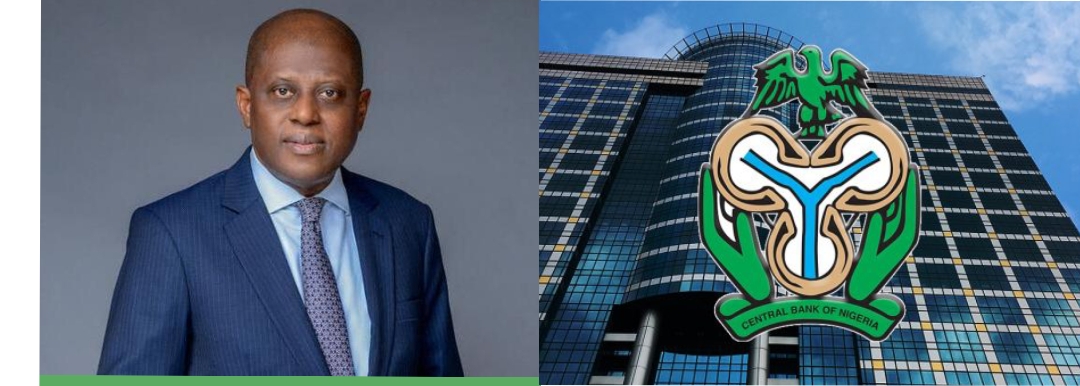
Over the past two years, Nigeria has implemented key monetary and structural reforms under the leadership of Olayemi Cardoso. These include exchange rate unification, banking sector recapitalisation, and measures to stabilise inflation and boost foreign reserves.
The forum concluded that these reforms are laying a solid foundation for increased capital inflows, diaspora investment, and stronger economic ties between Nigeria, the United Kingdom, and the global financial community.