Nigerian shippers’ council pushes port reforms for economic prosperity
Oru Leonard
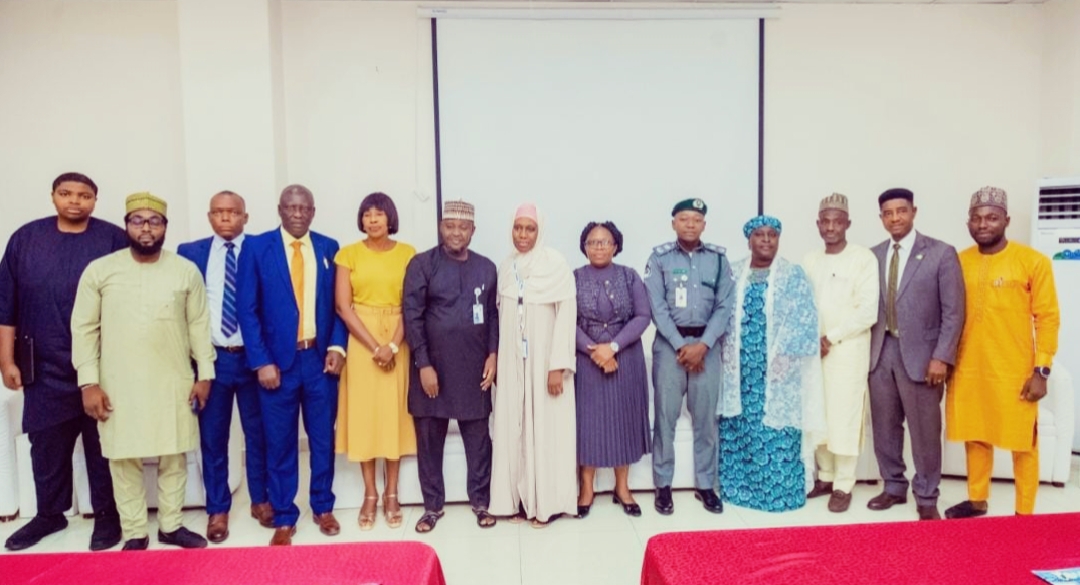
The Abuja Liaison Office of the Nigerian Shippers’ Council (NSC) has hosted a high-level engagement forum aimed at repositioning Nigeria’s maritime sector for improved efficiency, trade expansion and global competitiveness.
The forum, themed “From Port to Prosperity: Enhancing Trade and Investment Opportunities,” brought together key regulators and stakeholders, including the Nigeria Customs Service, the Central Bank of Nigeria, and international trade bodies such as ECOWAS and the African Continental Free Trade Area.
Discussions centred on reducing operational bottlenecks at Nigerian ports and aligning port activities with national economic goals.
Delivering the keynote address on behalf of the Minister of Marine and Blue Economy, the Director of Maritime Services unveiled a 10-year roadmap for the sector spanning 2025 to 2034. He said the ministry was shifting focus from revenue-driven port operations to competitiveness, with priority on the full deployment of the Port Single Window and comprehensive digitalisation to cut cargo dwell time and meet global benchmarks.
In his opening remarks, the Executive Secretary and Chief Executive Officer of the NSC, Dr. Pius Ukeyima Akutah (MON), said sustained collaboration between shippers and regulatory agencies remained the most effective way to secure the future of Nigeria’s maritime industry.
Operational updates from the Nigeria Customs Service featured prominently, with Controller Mazu highlighting gains recorded through the “Golden Triangle” collaboration involving the NCS, the Nigerian Ports Authority and the Nigerian Maritime Administration and Safety Agency. He disclosed that over 70 operators had been migrated to the Authorised Economic Operator scheme, reducing cargo clearance times from about 168 hours to under 48 hours.
The Central Bank of Nigeria reiterated export repatriation timelines of 90 days for oil exports and 180 days for non-oil exports, while confirming its transition to the National Single Window platform to eliminate inefficiencies linked to manual data reconciliation.
Private sector participants, including CFG Africa and United Capital Group, identified funding constraints as a major challenge in the maritime value chain. They discussed the use of commercial papers and asset-backed financing to support liquidity for dollar-denominated transactions. Stakeholders also urged Nigerian shippers to strengthen their understanding of legal risk management and international commercial terms as trade activities under the AfCFTA continue to expand.
The NSC disclosed that interventions by its Complaints and Legal units saved the Nigerian economy about ₦773 million in the first quarter of 2024, following reported savings of ₦2 billion in 2023.
The Council also announced the harmonisation of terminal charges by collapsing 34 fees into five standard categories and said it was pursuing legislative backing to transition from a presidential mandate to a statutory economic regulator.
In her closing remarks, the Deputy Director of the Abuja Liaison Office Dr. Pauline Osasona, described the forum as a turning point for the sector, noting that the presence of a diplomatic delegate from the State of Qatar signalled growing international confidence in Nigeria’s maritime potential. She urged stakeholders to move from policy discussions to implementation, stressing transparency, inclusiveness and shared responsibility.
Some of the speakers who spoke during the engagement are: Keynote Speaker: Oyinloye Adeola Meshack, Director, Maritime Services Department, representing the Minister of Marine and Blue Economy, M. Mu’azu, Comptroller, Nigeria Customs Service; Emele Hope Orji, Customs Union and Taxation Directorate, ECOWAS Commission; Ella Onoja, Deputy Director, Export Development & Incentives Department, Nigerian Export Promotion Council; Bashir Ambi, Head, Complaints Unit, Nigeria Shippers’ Council.