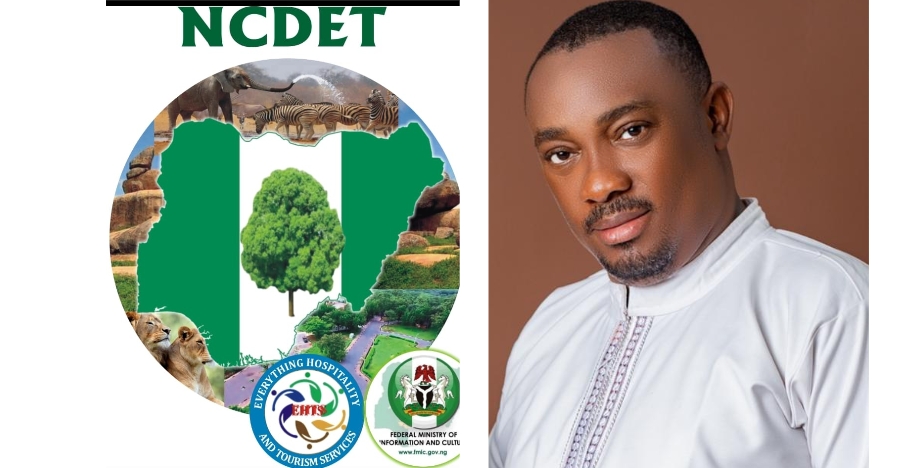
Domestic, Eco Tourism Key to Nigeria’s Sustainable Growth – Onyeocha
Oru Leonard
ABUJA – A tourism expert, Chief Dr. Obinna Ugochukwu Alexander Onyeocha, has identified domestic (indigenous) and eco tourism as critical drivers of sustainable national development, calling for urgent reforms and investment to reposition Nigeria’s tourism sector.
Onyeocha, who is the Managing Consultant and CEO of Everything Hospitality and Tourism Services Nigeria Limited, made this known in a detailed policy statement highlighting the untapped potential within Nigeria’s tourism industry.
According to him, Nigeria is richly endowed with diverse landscapes, cultural heritage, and ecological resources capable of making it a leading tourism destination in Africa, but noted that the sector remains significantly underdeveloped.
He explained that domestic tourism—travel by Nigerians within the country—offers a reliable pathway to economic growth by stimulating local economies, supporting small businesses, and strengthening national unity.
“Domestic tourism keeps revenue within the country, benefiting hotels, transport operators, artisans, and local communities, while reducing dependence on foreign tourist arrivals,” he said.
On eco tourism, Onyeocha stressed the importance of responsible travel that conserves the environment while improving the livelihoods of host communities. He pointed to Nigeria’s rich ecological assets, including wildlife parks, waterfalls, and mountain resorts, as key attractions capable of drawing both local and international visitors.
He cited destinations such as Yankari National Park, Obudu Mountain Resort, Erin Ijesha Waterfalls, and Okomu National Park as examples of the country’s vast tourism potential.
The tourism consultant noted that the combined development of domestic and eco tourism could significantly diversify Nigeria’s oil-dependent economy, create jobs, preserve cultural heritage, and promote environmental sustainability.
He further emphasized that tourism development could empower rural communities, particularly youth and women, through employment in hospitality services, tour operations, and cultural enterprises.
Despite these opportunities, Onyeocha identified several challenges hindering growth in the sector, including inadequate infrastructure, limited government investment, security concerns, poor destination marketing, and weak environmental protection policies.
To address these issues, he called for coordinated action among government, private sector players, and local communities. Key recommendations include increased investment in tourism infrastructure, strengthened conservation programmes, enhanced tourism education, and the promotion of public-private partnerships.
He also advocated for nationwide campaigns to encourage Nigerians to explore local destinations and embrace eco-friendly tourism practices. He emphasized that investment, policy reforms will unlock sector’s vast potential
Onyeocha highlighted the upcoming National Conference for Domestic and Eco Tourism Exhibition in Nigeria as a strategic platform aimed at revitalizing the sector.
The conference, he said, will bring together key stakeholders—including government officials, investors, tourism professionals, and cultural organisations—to develop actionable strategies for promoting tourism development.
“The conference will focus on driving indigenous tourism, attracting investment, promoting eco-friendly practices, and raising national awareness about the opportunities within Nigeria’s tourism sector,” he added.
Onyeocha concluded that Nigeria stands at a critical juncture where tourism can become a major pillar of economic transformation.
“The future of Nigerian tourism lies in encouraging Nigerians to discover, protect, and invest in their own country,” he said.