Stakeholders Demand Police Reforms at Zamfara Engagement Workshop
Oru Leonard
GUSAU, Feb. 26, 2026 — Community stakeholders in Zamfara State have presented a comprehensive Citizens’ Charter of Demands to the Commissioner of Police following a two-day Police-Community Engagement Workshop aimed at strengthening trust and improving security across the state.
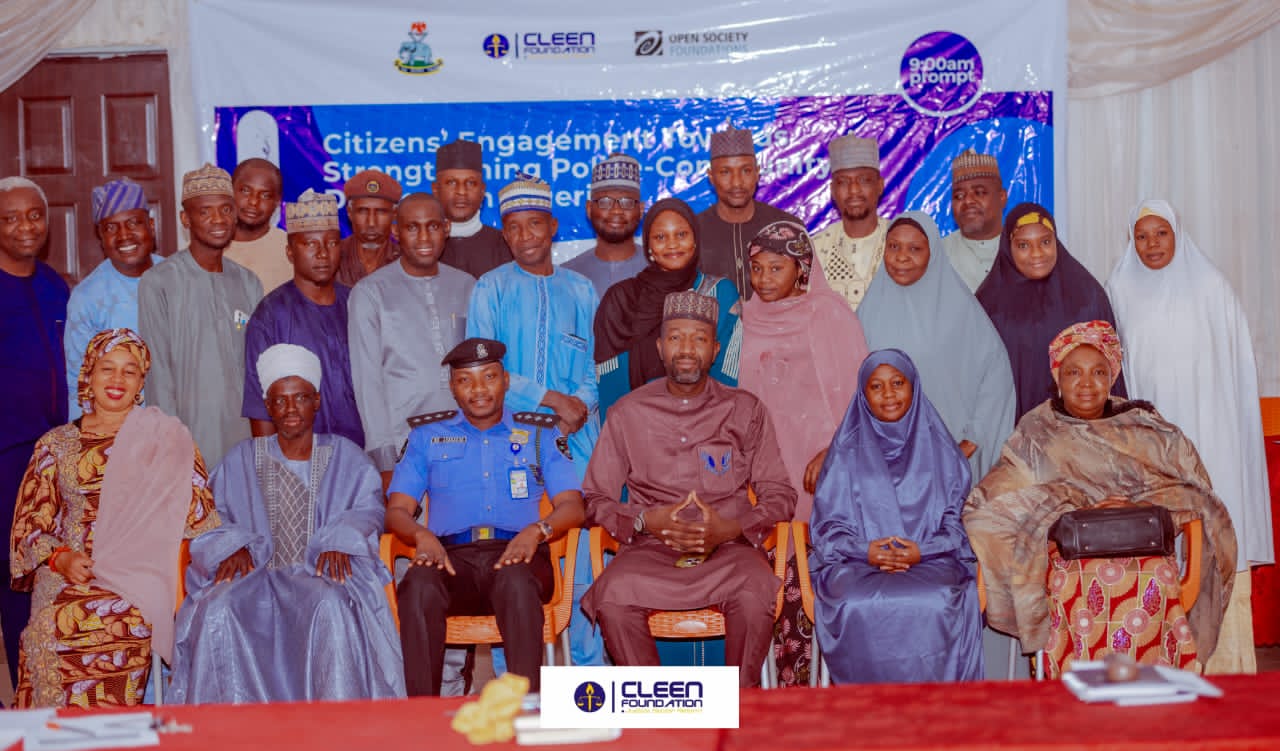
The workshop, organized by CLEEN Foundation with support from Open Society Foundation, was held from February 25–26, 2026 at Ja’iz Hotel in Gusau. It brought together traditional and religious leaders, women and youth groups, civil society actors, community-based organizations, and concerned residents.
Commendation and Concerns
Participants commended the Zamfara State Commissioner of Police for ongoing efforts to improve security and for engaging communities through various security platforms. However, they identified several critical challenges undermining effective policing and public trust.
Among the key concerns raised were allegations that bail is not free in the state, weak investigations and delays in transmitting case files to the Directorate of Public Prosecutions (DPP), poor response to distress calls, and the release of suspects apprehended by community members without clear explanations.
Other issues highlighted include inadequate protection for whistleblowers and informants, corruption and bribery, indiscipline among some officers, poor welfare for police personnel, and insufficient deployment of officers to high-risk communities. Participants also cited limited preventive policing efforts, growing insecurity, and weak communication between the police and local communities.
The group further expressed concern over the handling of Gender-Based Violence (GBV) cases, alleging inadequate capacity and insufficient adherence to human rights standards.
In response, participants presented a series of recommendations to the Commissioner of Police, calling for urgent reforms and sustained engagement. These include:
– Ensuring that bail is free and establishing clear mechanisms to enforce it.
– Strengthening investigations and improving timely documentation and transmission of case files.
– Training and retraining officers on GBV handling and human rights compliance.
Investigating and disciplining corrupt personnel.
– Guaranteeing confidentiality for informants and whistleblowers.
Improving police welfare and conducting proper background checks for recruits.
– Enhancing deployment of personnel to insecure communities.
– Promoting transparency, accountability, and adherence to the police code of conduct.
– Creating a regular police-community dialogue platform.
– Expanding awareness campaigns on security and community policing.
Participants also called for the establishment of a Police-Citizens Action Monitoring Team (PCAMT), to track progress on commitments made during the engagement.
In their concluding statement, the stakeholders pledged continued support to law enforcement agencies through intelligence sharing and community engagement to help combat crime in Zamfara State.
“We respectfully urge the Commissioner of Police to prioritize these demands and initiate immediate steps toward their implementation in collaboration with community stakeholders,” the communiqué stated.
The workshop marks a renewed push for accountability, transparency, and community ownership of security initiatives in Zamfara State, as residents seek stronger partnerships to address ongoing security challenges.