A CAMPAIGN TAINTED WITH VIOLENCE

Nick Dazang
Most stakeholders in the electoral process were elated when the campaign season began, with one of the presidential candidates immediately seizing the moment and putting the issue of the withdrawal of fuel subsidy at the upper reaches of national conversation.
We had hoped that such a demonstration of political moxie would put the campaign for the 2027 elections on the lofty path and pedestal of robust debate, issues and civility. In fact, shortly after this candidate fired what many considered an impactful salvo, others, especially those in the opposition, were galvanised into making their marks and carving their niches.
Alas, this elation was short-lived. Barely had the campaign begun on an issue-based footing than it lapsed into one of our harmful habits, namely, finding recourse in electoral violence.
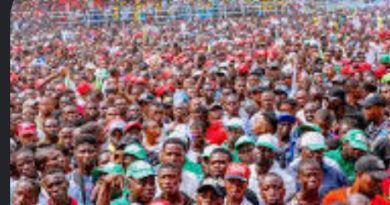
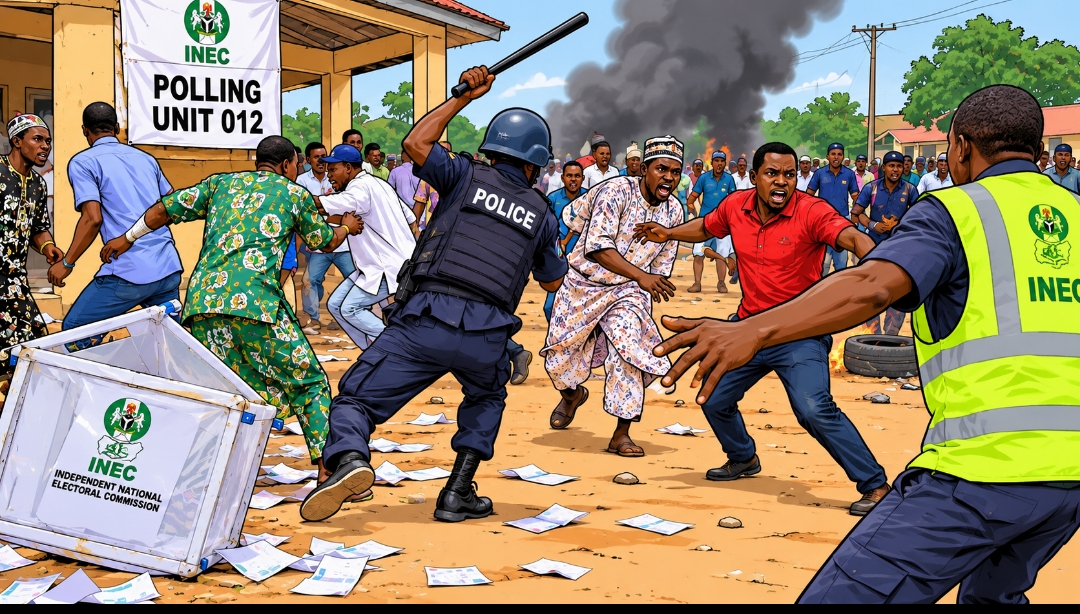
Billboards were the first casualty. Many were either torn down or brought down by irate youths across the country. This was followed by ambushes laid on campaign convoys of both opposition political parties and the governing political party. These were followed, in quick succession, by disruptions of political gatherings and physical assaults.
The climax of this violence was the killing of one person and the injury of five others last Saturday, 7th October 2026, in Asaba, Delta State. CLEEN Foundation, a civil society organisation tracking election-related attacks, reports that seventy (70) such attacks have occurred in the first ten months of 2026 across nineteen (19) states and the Federal Capital Territory (FCT). Twenty-seven casualties have, according to the Foundation, been recorded.
With nearly two months to the conduct of the 2027 General Elections, this uptick in violence represents a clear and present danger. Unless urgent measures are taken to nip these incidents of violence in the bud, the elections are in dire peril.
It is not enough that the Independent National Electoral Commission (INEC) has expressed disquiet over the incendiary remarks of some politicians, one of the causes of these violent incidents. It should consider wielding the big stick. Incidents of violence, which offend the Constitution and Electoral Act 2026, should be prosecuted to the full extent of the law. This will check the impunity with which desperate politicians incite their followers to violence.
The Commission and the National Peace Committee (NPC) should immediately re-engage with political parties and presidential candidates. Such engagement should be used to prevail on them to conduct themselves and their followers with decorum.
Critical stakeholders involved in the elections, namely, the Commission, security agencies and the media, must treat all contestants fairly and equally. No party, whether governing or in the opposition, should be marginalised. Neither should any be seen to be given undue latitude or preference.
It is when some parties feel that they are being driven to the margins or denied a level playing field that they become frustrated and resort to untoward behaviour in order to get even. Conversely, when some parties are treated with kid gloves or pampered, they carry themselves with a sense of entitlement.
The Police should live up to their statutory responsibility as provided under Section 95 of the Electoral Act 2026. They should “provide adequate security for proper and peaceful conduct of political rallies and processions” as well as demonstrate proactivity in resolving any conflicts over the time and venue of rallies “in a consultative manner”.
In other words, venues of rallies should not be foisted on political parties or candidates by the Police. In providing security to all candidates, the Police must conduct themselves with utmost neutrality and professionalism.
Apart from holding political gladiators accountable, the media and civil society must continue to call out politicians who incite their followers to violence and deliver speeches that engender hatred.
The candidates and political parties should not only recommit themselves to peaceful conduct but also moderate their rhetoric. The campaign, for the remaining two months, should refocus on the issues.
Thankfully, there is a surfeit of them: massive unemployment, suffocating debt, debilitating hunger, spiralling cost of living, decrepit infrastructure, out-of-school children and heightened insecurity, among others.
Candidates should excel in regaling and inundating Nigerians with how they intend to address these pressing concerns instead of lazily finding recourse in violence.
The youths, who are often used as fodder to perpetrate violence, should be circumspect. While they are being used by unscrupulous politicians to cause mayhem, the children and wards of these politicians attend Ivy League universities abroad. They are always keen to flaunt their graduation pictures on social media. The youths should learn poignant lessons from this.
True, the youths are angry and in despair. But the best way to vent their anger is to vote for candidates who will change their lives for the better. Not by pulling down billboards. Not by wielding machetes, knives and sticks. And certainly not by laying ambushes for campaign convoys.
Above all, INEC, working with the National Orientation Agency (NOA), the media and civil society, should be stalwart and remain at the forefront of campaigns against election-related violence.
Violence devalues our elections. It diminishes their credibility. It also makes millions of voters apprehensive and discourages them from participating in elections. This, in turn, leads to voter apathy, which has characterised our elections in recent times.
Worse still, in at least one off-cycle governorship election, violence frightened ad hoc staff away from conducting the election. At the last minute, they scampered in droves to save their limbs and lives. We should not allow that unhappy episode to happen again.