TMV Credits Tinubu’s Reforms for Naira’s Strong Performance in Africa
Oru Leonard
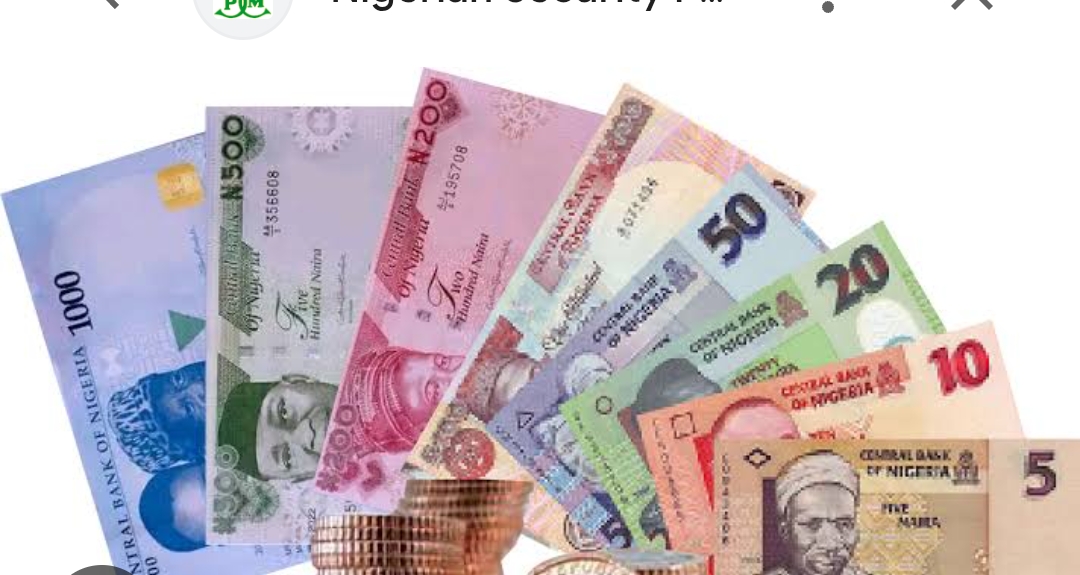
The Tinubu Media Volunteers (TMV) has attributed the naira’s emergence among Africa’s strongest-performing currencies in the second quarter of 2026 to the economic policies and reforms introduced by President Bola Tinubu’s administration.
The group said the currency’s performance, despite prevailing global economic uncertainties and market pressures, reflected the impact of ongoing reforms aimed at strengthening Nigeria’s economy and improving foreign exchange earnings.
TMV stated this in a statement signed by its Chairman, Chukwudi Enekwechi, and Secretary, Segun Ogedengbe.
The group cited the World Bank’s October 2026 Africa Economic Update, which assessed exchange rate movements across 22 African countries outside the CFA franc zone.
According to TMV, the report identified the naira as one of the better-performing currencies during the second quarter of 2026, despite market turbulence and external economic pressures.
The group noted that the World Bank report attributed currency pressures across the continent to rising energy prices, geopolitical uncertainties, capital outflows and increased demand for the United States dollar.
It added that the naira depreciated by 2.6 per cent between March and June 2026, placing it among the currencies that recorded relatively modest declines during the period.
TMV said the development demonstrated the resilience of the Nigerian currency and reflected the effects of the economic measures being implemented by the Tinubu administration.
“We are confident that the positive performance of the naira is a result of the economic policies and measures put in place by the President Tinubu administration,” the statement said.
The group argued that the reforms had helped improve the competitiveness of Nigerian exports, enabling local businesses to expand their presence in international markets and generate additional foreign exchange earnings.
According to TMV, increased export activities could also encourage domestic production, create business opportunities and strengthen the country’s capacity to earn foreign exchange.
“Such measures have, in our view, made the naira resilient while Nigerian exports have become competitive. In short, there is higher productivity as Nigerian exporters are able to sell their products overseas.
“This has, in turn, earned Nigeria more foreign exchange and equally strengthened the naira,” the group stated.
TMV further maintained that the increased turnover from exports had encouraged Nigerian businesses to produce more goods for international markets, with potential benefits for economic growth and employment.
The group described the World Bank’s assessment as another indication that Nigeria’s economy was undergoing a gradual transformation under the current administration.
It expressed confidence that sustained implementation of the government’s economic policies would further strengthen the naira, improve export performance and enhance the country’s overall economic outlook.
The group, however, acknowledged that external factors, including global energy prices, geopolitical developments and movements in the United States dollar, continued to influence currency performance across African economies.
TMV maintained that Nigeria’s ability to sustain the gains would depend on continued economic reforms, stronger domestic production and improved export earnings.