Atiku’s Fuel Subsidy Model Could Cost Nigeria N12bn Daily in Lost Revenue – IMPI
Oru Leonard
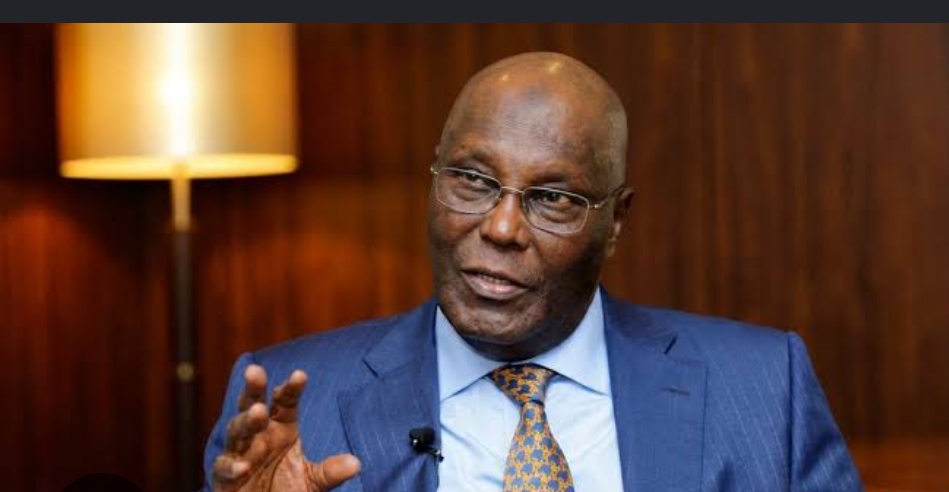
The Independent Media and Policy Initiative (IMPI), has projected that Nigeria could lose at least ₦12 billion daily in revenue through cross-border smuggling if former Vice President Atiku Abubakar’s proposed fuel subsidy model is implemented.
The policy research group warned that the proposed production-side subsidy could have significant implications for government revenue, domestic petroleum supply and the country’s fiscal stability.
In a policy statement signed by its Chairman, Dr Omoniyi Akinsiju, IMPI said its assessment focused specifically on potential revenue losses arising from cross-border smuggling under Atiku’s proposed crude oil discount or production subsidy framework.
According to the group, a return to subsidised petroleum pricing could create price differences between Nigeria and neighbouring countries, encouraging smugglers to divert petroleum products to markets where they could command higher prices.
IMPI estimated that Nigeria’s daily domestic petrol consumption could rise from approximately 45 million litres under a deregulated pricing system to between 60 million and 65 million litres under a subsidised regime.
The group attributed the projected increase largely to illicit cross-border trading involving neighbouring countries, including Benin, Togo, Niger and Cameroon.
It estimated that between 15 million and 20 million litres of petrol could be smuggled across Nigeria’s borders daily if the proposed subsidy arrangement created sufficient incentives for illegal trade.
Explaining its calculations, IMPI said that if the proposed policy reduced petrol prices to ₦500 per litre while the international landed cost stood at ₦1,100 per litre, the implied subsidy would amount to ₦600 per litre.
Using an estimated smuggled volume of 20 million litres daily, the group calculated that the resulting subsidy exposure could reach ₦12 billion per day.
At an assumed exchange rate of ₦1,400 to the dollar, IMPI put the equivalent daily amount at approximately $8.57 million.
The group further projected that the amount could translate to about ₦4.38 trillion annually, or approximately $3.12 billion, if the estimated daily loss persisted throughout the year.
However, the figures represent IMPI’s projections based on its stated assumptions and have not been independently established as actual losses that would occur under the proposed policy.
The think tank argued that the potential financial implications extended beyond the direct cost of subsidising petroleum products, warning that the arrangement could divert public resources away from other national priorities.
According to the statement, revenue foregone through discounted crude oil sales could reduce the funds available for distribution to the federal, state and local governments through the Federation Account Allocation Committee (FAAC).
IMPI also warned that increased smuggling could create artificial shortages in the domestic market, resulting in stock-outs at filling stations and prolonged queues, particularly in communities close to Nigeria’s international borders.
The group further estimated that supplying an additional 20 million litres of petrol daily to meet smuggling-related demand would require approximately 126,000 barrels of crude oil per day.
It argued that such additional demand could place pressure on domestic crude oil resources and undermine efforts to ensure that petroleum products refined in Nigeria primarily serve the domestic market.
The policy group also cautioned that selling crude oil below international market prices could create incentives for illicit trading in crude oil and refined petroleum products, particularly where significant price differences exist between Nigeria and neighbouring countries.
IMPI maintained that any proposal to restore fuel subsidies should be assessed against its potential effects on public revenue, domestic supply and the sustainability of government finances.
The debate over fuel subsidy policy is expected to remain a significant issue ahead of Nigeria’s 2027 presidential election, as political actors advance competing proposals for addressing petrol prices and the cost of living.
Atiku, the presidential candidate of the African Democratic Congress (ADC), has advocated a production-side approach to subsidy, which IMPI argues requires further clarification on its funding, implementation and safeguards against smuggling.
The group said its projections underscored the need for a detailed assessment of the financial and economic consequences of any proposed subsidy framework before its implementation.