CBN Declares Forex Market Stable, Says $52.5bn Reserves Signal Economic Recovery
Oru Leonard
The Central Bank of Nigeria (CBN), has said recent improvements in the country’s foreign exchange market, rising external reserves, and easing inflation indicate that its ongoing monetary reforms are yielding positive results and strengthening the economy.
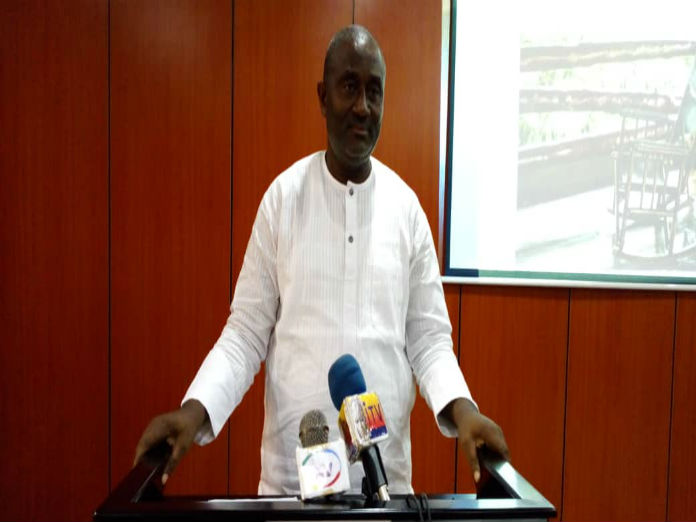
Speaking at the CBN Fair held in Gombe on Tuesday, the Governor of the Central Bank, Olayemi Cardoso, represented by the Acting Director of Corporate Communications and Investor Relations, Mrs. Hakama Sidi-Ali, said Nigeria’s macroeconomic outlook continues to improve following a series of policy reforms introduced by the apex bank.
The event, themed “Driving Alternative Payment Channels as Tools for Financial Inclusion, Growth and Accelerated Economic Development,” brought together stakeholders to discuss financial inclusion and the country’s evolving payment ecosystem.
Cardoso disclosed that headline inflation declined marginally from 15.93 per cent in May 2026 to 15.91 per cent in June 2026, while both core and food inflation also recorded declines. He attributed the improvements to disciplined monetary tightening, foreign exchange reforms, and enhanced market transparency.
According to him, the naira has remained relatively stable, with the gap between the official exchange rate and Bureau de Change rates narrowing to below two per cent, reflecting improved confidence in the foreign exchange market.
The CBN Governor further revealed that Nigeria’s external reserves had risen above $52.5 billion as of July 17, 2026, describing it as the highest level recorded in 17 years and above the bank’s annual target.
He said the increase was driven by sustained foreign exchange inflows and renewed investor confidence in the Nigerian economy.
Cardoso explained that over the past 34 months, the CBN had implemented key reforms aimed at promoting sustainable economic growth, creating jobs, and reducing poverty. These include the unification of the foreign exchange market, banking sector recapitalisation, the Non-Resident Bank Verification Number (NRBVN), the B-Match foreign exchange trading platform, and the Nigeria Payments System Vision 2028.
He also highlighted the introduction of a 75 per cent Cash Reserve Ratio on non-Treasury Single Account public sector deposits, noting that the policy was designed to improve liquidity management and reduce inflationary pressures.
The CBN Governor said the bank had also partnered with the Financial Markets Dealers Association to introduce the Nigerian Overnight Financing Rate (NOFR) as a transparent benchmark for short-term funding transactions, aligning Nigeria’s money market with global standards.
Reaffirming the bank’s commitment to financial inclusion, Cardoso said alternative payment channels remain critical to expanding access to financial services and accelerating economic development.
He described the CBN Fair as an important platform for engaging directly with citizens, businesses, and stakeholders to explain the bank’s policies, receive feedback, and promote greater understanding of its programmes.
Cardoso urged Nigerians to obtain information about the CBN only from its verified communication channels and warned against the spraying, hawking, mutilation, or counterfeiting of the naira, describing the national currency as a symbol of Nigeria’s sovereignty and pride.
Earlier, the CBN Branch Controller in Gombe, Yunusa Buba-Mubi, said the fair was part of the bank’s ongoing public engagement initiatives aimed at educating citizens on its policies while providing a forum for constructive feedback from stakeholders. He encouraged participants to actively engage in the discussions and seek clarification on issues affecting Nigeria’s financial system.