PIA Act: As Court Opens Door for Negotiations Between Eight Oil-Producing States and the Federal Government, What Next?
By Oru Leonard
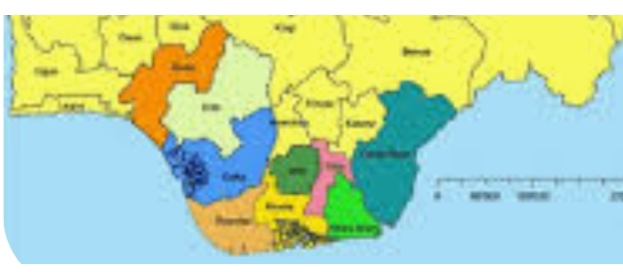
The decision of the court to encourage negotiations between the Federal Government and the eight oil-producing states (map of Delta, Bayelsa, Edo, Anambra, Ondo, Akwa Ibom, Imo and Abia), over the disputed provisions of the Petroleum Industry Act (PIA) has opened a fresh chapter in what has become one of Nigeria’s most significant constitutional and fiscal disputes. Rather than prolonging litigation, the court’s intervention presents an opportunity for constructive dialogue, compromise and national consensus.
The issues at stake go beyond legal arguments. They touch on fiscal federalism, revenue allocation, resource ownership, constitutional interpretation and the future relationship between the Federal Government and the oil-producing states.
These are matters that require wisdom, patriotism and mutual respect from all parties.
There is every reason to be optimistic. Court-encouraged negotiations allow the parties to speak candidly, explore practical solutions and preserve long-term relationships while protecting their respective constitutional positions. A negotiated settlement can provide certainty, reduce prolonged legal costs and strengthen public confidence in Nigeria’s democratic institutions.
For the eight oil-producing states, the objective has consistently been to seek clarity on the interpretation of the law and to ensure that constitutional provisions governing revenue distribution are respected. For the Federal Government, the responsibility remains to safeguard national interests while ensuring equity, stability and sustainable economic growth.
Encouragingly, the lead counsel to the plaintiffs- Abang Odok Ogar Esq, has expressed confidence in the negotiation process. A respected legal practitioner and philanthropist, he remains hopeful that the discussions will be conducted in good faith and will ultimately produce an amicable and mutually beneficial outcome for all parties.
His optimism reflects the belief that dialogue, rather than prolonged confrontation, offers the best path toward resolving complex constitutional and economic questions.
As the meeting scheduled for 3 November 2026 approaches, Nigerians will be watching closely. Expectations are high that both sides will seize this opportunity to demonstrate statesmanship and a commitment to national unity.
Success will not be measured by which side claims victory, but by whether the outcome strengthens the federation, promotes fairness and reinforces confidence in the rule of law.
Ultimately, the court has provided both parties with a rare opportunity to replace prolonged litigation with meaningful dialogue. Whether this opportunity leads to lasting progress will depend on the willingness of the Federal Government and the eight oil-producing states to negotiate in good faith, with flexibility, mutual respect and a shared commitment to Nigeria’s unity and prosperity. If these principles guide the discussions, the negotiations could become a landmark example of how dialogue can resolve even the most complex constitutional and economic disputes.
Oru Leonard (frpa), is a Media and Business Development Practioner based in Nigeria