International Museum Day: FG, NCMM Rally Nigerians to Preserve Heritage, Promote Unity Through Museums
Oru Leonard
Abuja – The Federal Government and the National Commission for Museums and Monuments (NCMM) have called on Nigerians to embrace museums and cultural heritage institutions as powerful platforms for promoting national unity, preserving the country’s rich history and driving tourism, education and economic development.
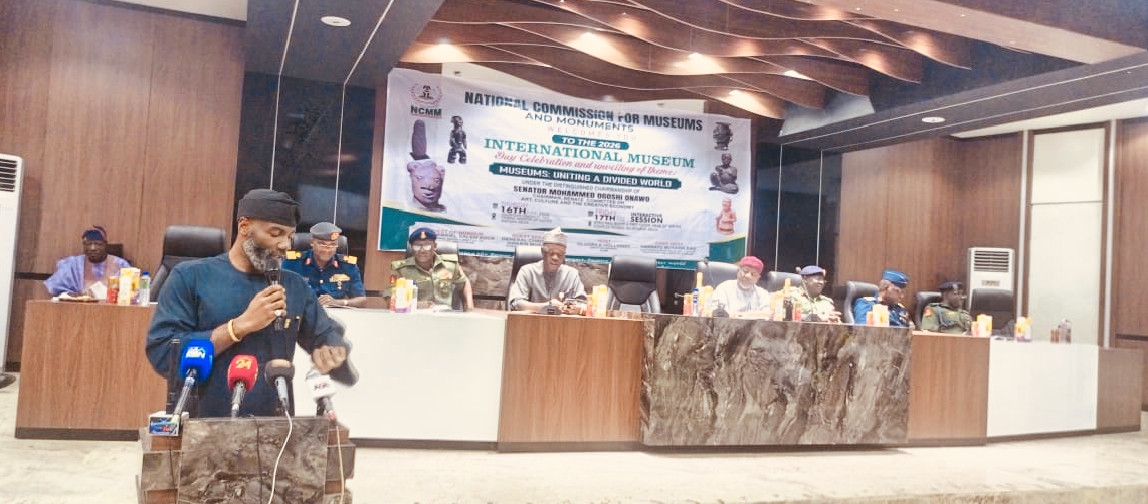
The call was made during the 2026 International Museum Day celebration organised by the NCMM in Abuja under the theme, “Museums: Uniting a Divided World.”
Speaking at the event, the Director-General of the NCMM, Olugbile Holloway, said museums are more than repositories of artefacts, describing them as vital institutions that foster dialogue, understanding and reconciliation in an increasingly divided world.
He urged Nigerians to embrace their shared humanity despite differences in ethnicity, religion and culture, noting that the country’s common values far outweigh its divisions.
According to Holloway, honest conversations about history and morality are essential for building a more peaceful and inclusive society, adding that museums provide safe spaces where citizens can reflect on the past, learn valuable lessons and strengthen national cohesion.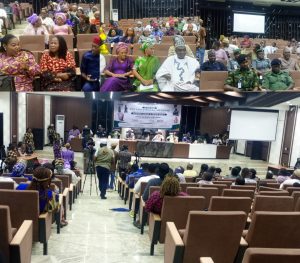
The NCMM Director-General reaffirmed the Commission’s commitment to preserving, protecting and promoting Nigeria’s rich cultural and historical heritage, stressing that monuments and heritage sites are priceless national assets that embody the country’s identity and cultural diversity.
He called on governments, traditional institutions, private organisations, development partners and local communities to collaborate in protecting Nigeria’s monuments and archaeological sites from vandalism, environmental degradation and uncontrolled urban development.
Holloway noted that preserving cultural heritage not only strengthens national identity but also promotes tourism, education, research, innovation and sustainable economic development. He encouraged Nigerians, especially young people, to visit museums and heritage sites across the country and actively participate in preserving the nation’s cultural legacy.
Representing the Minister of Art, Culture, Tourism and the Creative Economy, Ginika Nwafor Orizu urged Nigerians to take pride in the country’s cultural identity by promoting local products and traditions.
She encouraged citizens to “Buy Nigeria, Dress Nigeria, Eat Nigeria and Promote Nigeria,” saying these values should be passed on to younger generations to foster patriotism and confidence in the nation’s future.
The minister described museums as centres of education, research, innovation, skills development and cultural preservation, urging stakeholders to ensure they remain vibrant institutions that inspire future generations while advancing unity and peaceful coexistence.
Also speaking, the Minister of Defence, Mohammed Badaru Abubakar, represented by Musa Likita, described museums as strategic national assets that contribute to national security by strengthening shared values, national identity and resilience against extremism, misinformation and hate.
He observed that attacks on heritage sites during conflicts amount to attacks on the identity and collective memory of a people, reaffirming the Ministry of Defence’s commitment to working with relevant stakeholders to safeguard Nigeria’s cultural heritage, particularly during periods of insecurity.
The Director-General of the Nigerian Tourism Development Authority (NTDA), Olayiwola Awakan, said museums are critical drivers of tourism development and economic diversification, noting that cultural and heritage tourism remains one of the fastest-growing segments of the global tourism industry.
He outlined several initiatives aimed at transforming Nigeria’s museum sector, including the development of a National Heritage Tourism Strategy, deployment of smart digital museum technologies, establishment of museum interpretation centres, promotion of heritage tourism enterprises, capacity building for museum professionals, stronger public-private partnerships and a national museum tourism marketing campaign.
Awakan also commended the transformation of the John Randle Centre for Yoruba Culture and History in Lagos as a model for heritage conservation and tourism development.
The celebration also highlighted the significance of World Monuments Day (International Day for Monuments and Sites), observed annually on April 18, as part of global efforts to raise awareness on the importance of protecting monuments and cultural heritage.
Holloway said the annual observance serves as a reminder of the collective responsibility to preserve monuments, archaeological sites and other historic treasures for future generations.
Speakers at the event unanimously agreed that museums and monuments are indispensable institutions for preserving collective memory, promoting dialogue, strengthening national identity and supporting sustainable development.
They called on Nigerians to celebrate the country’s cultural diversity, reject division and work together to preserve the nation’s heritage while supporting the Renewed Hope Agenda of President Bola Ahmed Tinubu.