FG, UN Launch Humanitarian Transition Workshop to Strengthen Nigeria’s National Response System
Oru Leonard
The Federal Government has commenced a two-day Humanitarian Transition Workshop in partnership with the United Nations and development partners to strengthen national ownership of humanitarian coordination and build a more sustainable response system for vulnerable Nigerians.
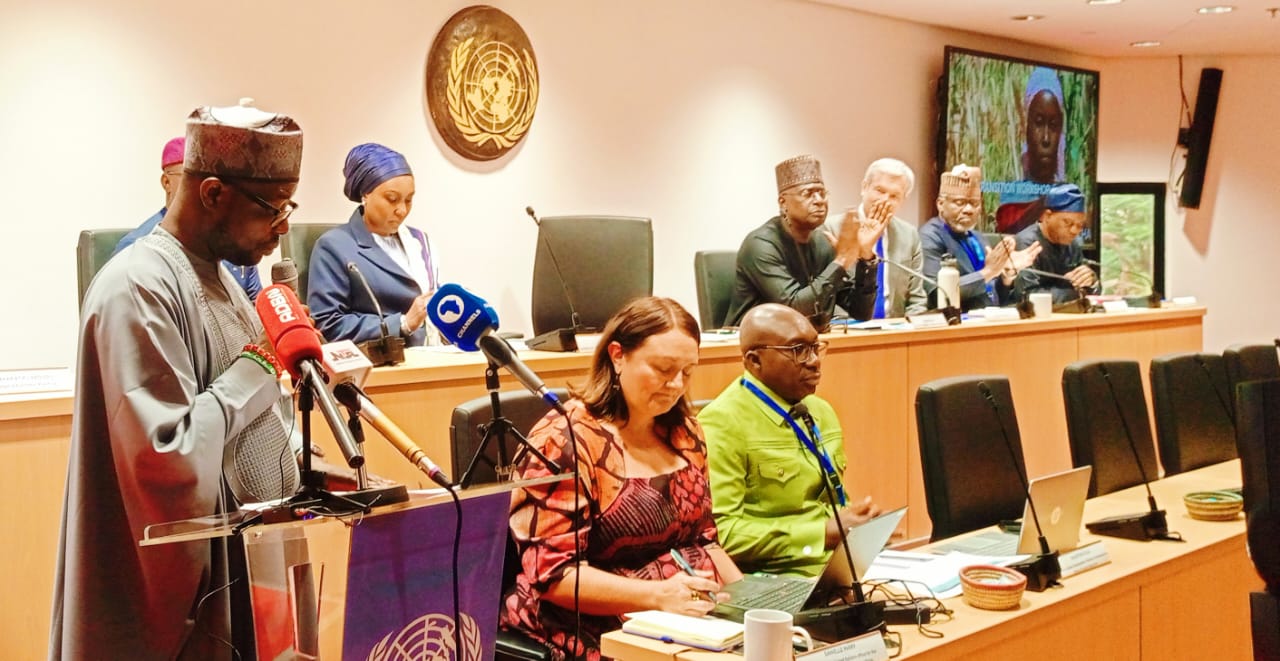
Declaring the workshop open on Tuesday at the United Nations House in Abuja, the Minister of Humanitarian Affairs and Poverty Reduction, Dr. Bernard M. Doro, said the global humanitarian landscape is undergoing a major transformation due to declining international humanitarian funding, making it imperative for Nigeria to take greater ownership of its humanitarian response.
He explained that the transition is not a departure from international cooperation but a strategic move towards a government-led humanitarian coordination framework anchored on the One Humanitarian, One Poverty Response System (OHOPRS).
According to him, the initiative is designed to eliminate fragmentation, reduce duplication, and ensure the efficient, transparent and accountable deployment of both domestic and international resources.
Dr. Doro stressed the need for increased domestic resource mobilisation through stronger federal and state budgetary commitments, enhanced private sector participation, diaspora contributions and sustained collaboration with development partners to build a resilient humanitarian system capable of withstanding fluctuations in external funding.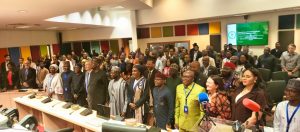
Also speaking, Mohammed Malik Fall, the United Nations Resident and Humanitarian Coordinator in Nigeria, reaffirmed the UN’s commitment to supporting Nigeria’s transition to a nationally owned humanitarian response system. He noted that the process is aimed at empowering national institutions to lead humanitarian coordination, planning and implementation while ensuring continued support for vulnerable communities.
The Director of the Nigeria INGO Forum, Mr. Ndubuisi Emeka Anyanwu, emphasized the importance of inclusive partnerships, saying national and international non-governmental organisations must remain central to planning and decision-making. He added that the success of the transition should ultimately be measured by its impact on affected populations.
Goodwill messages were delivered by the Director-General of the National Emergency Management Agency (NEMA), Mrs. Zubaida Umar, the Statistician-General of the Federation, Prince Adeyemi Adeniran, and several humanitarian donors, all of whom pledged their support for the transition process.
The workshop is expected to produce practical recommendations and a joint action plan to guide Nigeria’s humanitarian transition, strengthen national coordination mechanisms and support the development of the 2027 Humanitarian Needs and Response Plan under the OHOPRS framework.
The initiative underscores the Federal Government’s commitment to building a nationally led, locally driven and sustainably financed humanitarian system capable of delivering lasting solutions to vulnerable Nigerians.