Bangladesh Marks 2026 Independence Day with Diplomatic Ceremony in Abuja
Oru Leonard
The Bangladesh High Commission Abuja on March 26, 2026, commemorated Bangladesh’s Independence and National Day with a series of events in Abuja, drawing members of the diplomatic community, government officials, and stakeholders from various sectors.
The celebration began at the High Commission premises, where the High Commissioner, Mia Md. Mainul Kabir, hoisted the national flag and led the singing of the national anthem. A minute of silence was observed in honour of the martyrs of Bangladesh’s War of Independence, followed by prayers and Quranic recitations for those who sacrificed their lives.
Messages from Bangladesh’s President, Prime Minister, Foreign Minister, and State Minister were displayed during the ceremony, highlighting the significance of the day and the country’s ongoing development strides.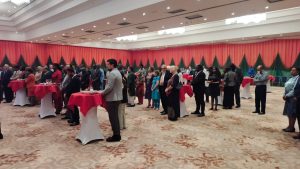 In his address, the High Commissioner paid tribute to the heroes of the liberation struggle and emphasized the importance of their sacrifices in shaping modern Bangladesh. He also outlined the government’s priorities, including strengthening democratic institutions, fostering balanced foreign relations, and advancing socio-economic development.
The envoy further underscored Bangladesh’s achievements in poverty reduction, women empowerment, and contributions to global peacekeeping efforts, particularly under the United Nations framework.The second phase of the celebration took place at the Abuja Intercontinental Hotel, where a reception was hosted for dignitaries and invited guests.
Representing the Nigerian government, Ambassador Bukar B. Hamman congratulated Bangladesh on its Independence Day and reaffirmed Nigeria’s commitment to strengthening bilateral ties.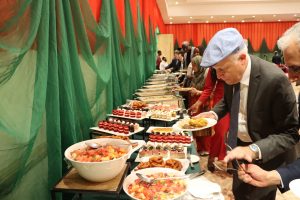 He highlighted opportunities for collaboration between both countries in key sectors such as agriculture, pharmaceuticals, defence, and multilateral cooperation, while also commending Bangladesh’s strong participation in international peacekeeping missions.
The event attracted members of the diplomatic corps, officials from Nigeria’s Ministry of Foreign Affairs, representatives of international organisations, academia, business leaders, military officers, and members of both the Bangladeshi and Nigerian communities.
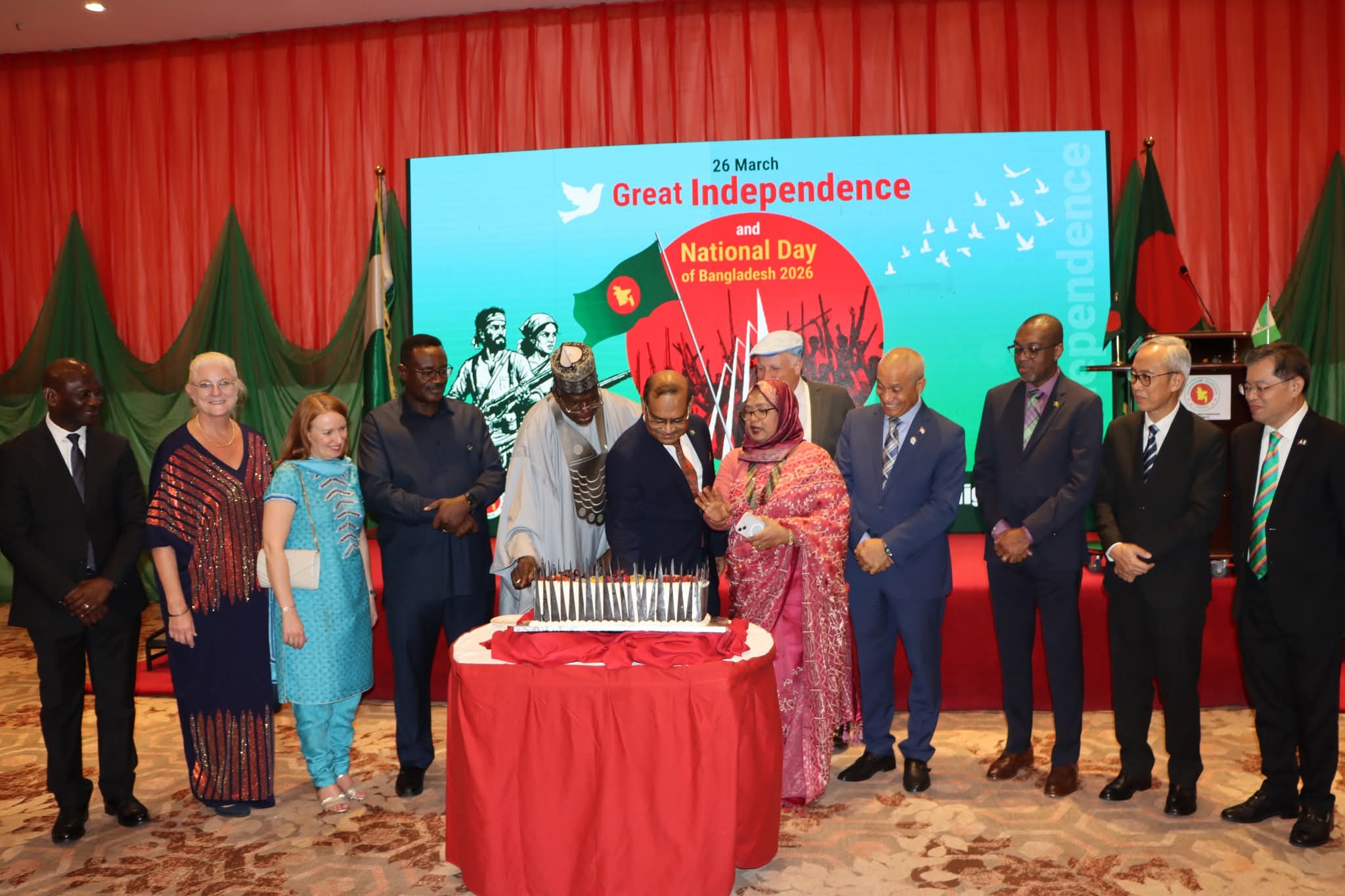
The celebration concluded with a ceremonial cake-cutting and the serving of traditional Bangladeshi cuisine, symbolising unity and cultural exchange between the two nations.