Nigeria-UK MoUs on Ports and Immigration Complement, Not Replace, Security Efforts
By Oru Leonard
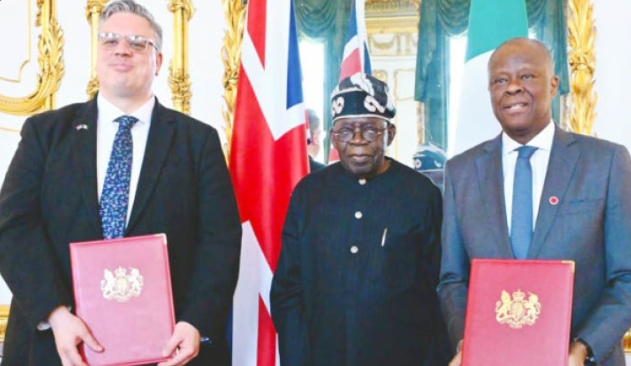
Criticism that Nigeria’s decision to sign Memoranda of Understanding (MoUs) with the United Kingdom on ports and immigration distracts from addressing insecurity presents a false choice. In reality, these agreements are part of a broader, strategic approach to strengthening national security—not a diversion from it.
First, modern security challenges are no longer confined to traditional military responses. Issues such as human trafficking, illegal migration, smuggling, and transnational crime are deeply tied to weak border controls and inefficient port systems. By partnering with the United Kingdom, Nigeria is tapping into advanced technology, intelligence-sharing frameworks, and global best practices that can significantly enhance border management and surveillance capacity.
Second, improving port operations directly impacts national security. Nigeria’s seaports have long been vulnerable to illicit trade, including arms smuggling, which fuels internal conflicts. Strengthening port governance, digitizing processes, and enhancing inspection mechanisms through international collaboration can help close these gaps. This supports—not undermines—efforts to curb insecurity.
On immigration, cooperation with the UK can help Nigeria better track migration flows, combat identity fraud, and manage diaspora-related risks. Effective immigration systems are essential for identifying potential security threats before they materialize within national borders. These reforms are preventive security measures, not administrative distractions.
It is also important to recognize that security is multi-dimensional. While kinetic responses by the military and law enforcement agencies are necessary, they must be complemented by institutional reforms that address root causes and systemic weaknesses. Agreements like these MoUs fall squarely within that category.
Furthermore, international cooperation is a cornerstone of modern security architecture. Criminal networks operate across borders; therefore, solutions must also be transnational. Nigeria cannot afford to operate in isolation if it aims to effectively tackle evolving threats.
In conclusion, framing the Nigeria-UK MoUs as a neglect of security priorities misunderstands the nature of contemporary security challenges. Strengthening ports and immigration systems is, in fact, a proactive and essential component of a comprehensive national security strategy.
Oru Leonard Oru (frpa, mnin), is Media practitioner based in Nigeria