Sports Renaissance: Tinubu Commends NSC Leadership
Oru Leonard
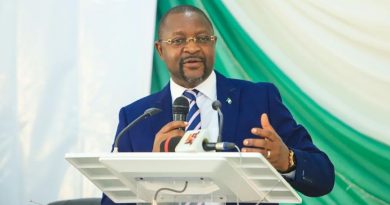
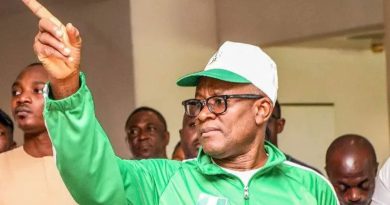
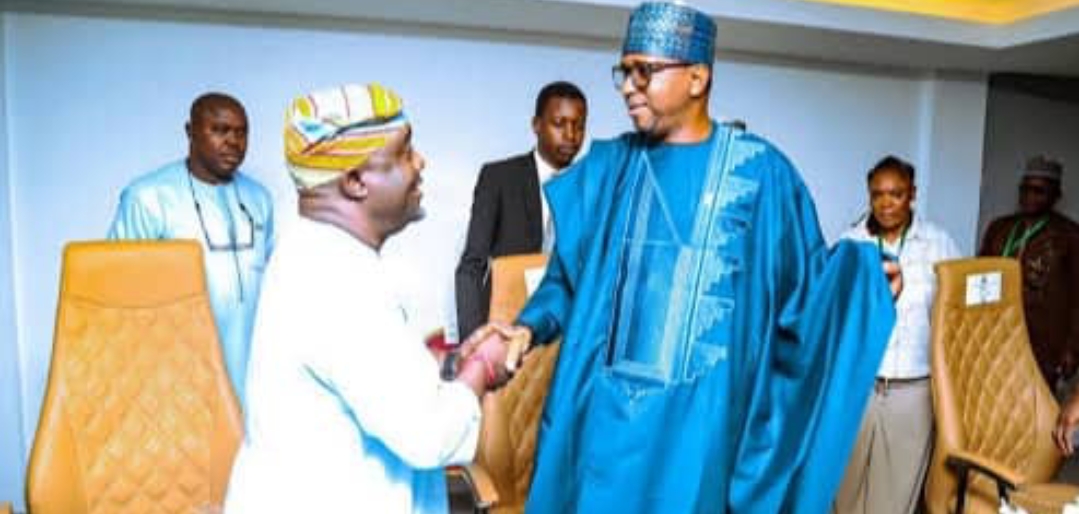
Nigeria’s sports sector has recorded remarkable progress under the leadership of the National Sports Commission (NSC), with Chairman, Mallam Shehu Dikko, and Director General, Hon. Bukola Olopade, steering what observers have described as a strategic renaissance defined by global success, economic growth, and institutional reform.
Operating under the RHINSE Blueprint between 2024 and 2025, Team Nigeria secured an impressive total of 373 medals on the global stage, including 197 gold, 119 silver, and 77 bronze medals across multi-sport games, continental championships, and international competitions. The achievements have further reinforced Nigeria’s competitiveness and its ambition to emerge as Africa’s leading sports powerhouse.
President Bola Ahmed Tinubu, while commending the performances, said Nigerian athletes once again projected the nation positively to the world.
“In 2025, scores of athletes representing Nigeria made our nation proud,” the President said.
Beyond medals and podium finishes, the NSC’s reforms produced measurable economic outcomes. The sports sector mobilized over ₦50 billion in private capital—the highest private-sector commitment ever recorded—through the Sports Investment Promotion Office, while contributing 1.2 percent to Nigeria’s Gross Domestic Product by the third quarter of 2025. Major sporting events also generated more than 140,000 direct and indirect jobs nationwide.
President Tinubu emphasized the broader significance of sports to national development, describing it as a powerful unifying force.
“Sports is one of our strongest brands as a nation. It unifies us, breaks all our fault lines, inspires belief, and builds a sense of community that cuts across age, language, ethnicity, religion, and social status,” he said.
The period under review also delivered historic milestones, including Nigeria’s emergence as the world’s number-one ranked nation in Scrabble and the country’s first-ever participation in the Bobsleigh World Cup, underscoring deliberate efforts to expand participation beyond traditional sports.
A key driver of the progress was the introduction of a unified sports funding architecture, approved at the presidential level to eliminate bureaucratic bottlenecks and ensure seamless funding across sports federations.
President Tinubu noted that the outcomes clearly reflected the value of structured support.
“From grassroots competitions to continental and global stages, the evidence is clear that when talent is supported with structure and preparation, Nigeria delivers,” he said.
Commenting on the achievements, the Director of Information and Public Relations of the NSC, Dr. (Mrs.) Kehinde Ajayi, in statement made available to News Dot Africa online Newspaper, said the reforms have firmly positioned sports as both a performance-driven and economically viable sector.
“What we are witnessing is the result of deliberate planning, strong leadership, and institutional reforms that place athletes, federations, and the Nigerian economy at the centre of sports development,” Dr. Ajayi said. “The National Sports Commission remains committed to sustaining this momentum and ensuring long-term benefits for all stakeholders.”