On “Five-Plus-One Leprous-Finger Church Leaders”: My Response to Dr. Nwankwo T. Nwaezeigwe
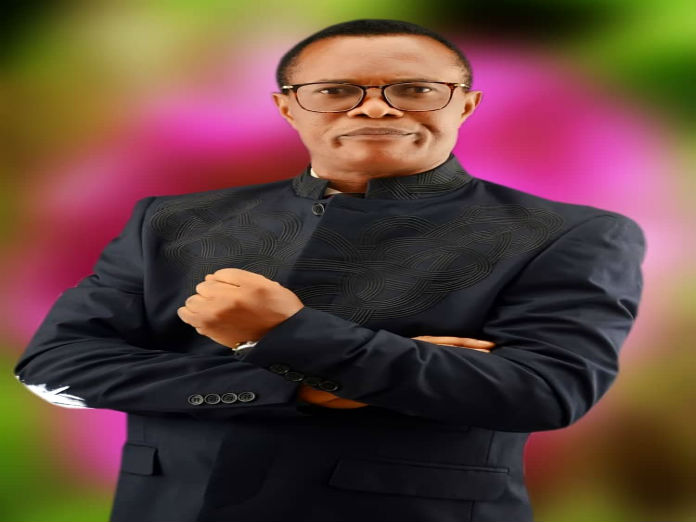
By Citizen Bolaji O. Akinye
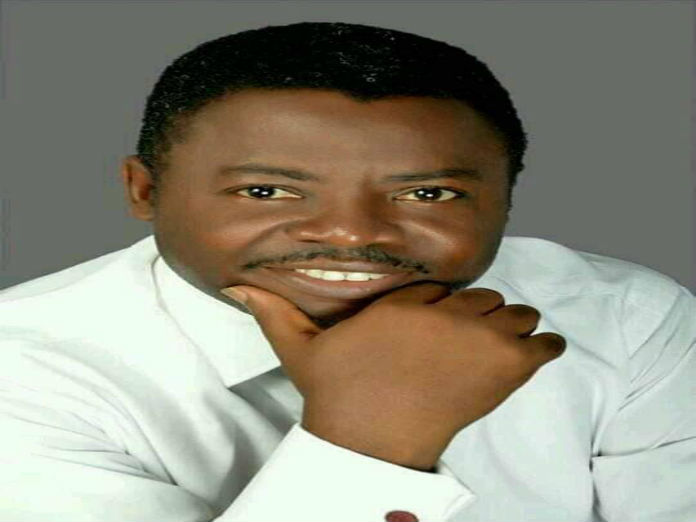
I would ordinarily ignore Dr. Nwankwo T. Nwaezeigwe’s write-up titled “NIGERIA’S FIVE-PLUS-ONE LEPROUS-FINGER CHURCH LEADERS…” dated January 19, 2026, because the tone is less the language of advocacy and more the language of public lynching.
However, I owe a response—not to impress a man determined to demonize anyone who disagrees with him—but to the many Nigerians who have come to respect my nation-building approach, and who deserve clarity, accuracy, and truth.
This is not a quarrel of egos. It is a dispute about method, accountability, and the ethics of advocacy.
1) On the “Genocide” Question: Advocacy Must Be Accurate, Not Manic
My position has never been “denial of persecution,” “defence of killers,” or “propaganda for any government.” My position has been consistent:
Nigeria is facing mass atrocity-level violence, including targeted killings that often affect Christian communities.
The response must be structured, evidence-driven, and strategically framed so it can stand in courtrooms, parliaments, and international systems—without collapsing into emotional absolutism that becomes easy to discredit.
In fact, reputable reports and Christian advocacy efforts have been pushing international pressure mechanisms like (re)designation of Nigeria as a Country of Particular Concern (CPC) and stronger accountability frameworks—this is the kind of diplomatic and legislative pressure that actually moves institutions.
What I have opposed—firmly—is the temptation to turn Nigeria into an “Afghanistan theatre” through reckless rhetoric and escalation that endangers citizens who still live here with their families.
2) A Factual Note: Bishop Kukah’s Federal Appointment Is Public Record
Dr. Nwaezeigwe cites Bishop Matthew Kukah’s appointment as Pro-Chancellor/Chairman of Council of the Federal University of Applied Sciences, Kachia, Kaduna State. That appointment is not rumor; it is public record, published by the Nigerian Presidency and mainstream media. I don’t street fight people I have access to. I have looked for the privilege of a one on one engagement of Bishop Kukah over his defence of genocide in Rome, his invitation to ART National Citizens Conversation would have provided me the opportunity and Bishop Kukah a platform for clarity, but his absence denied both sides.
I won’t like Tony leap from a public appointment to allegations of “Jihad Trust Fund,” “monthly allowance,” or bribery—without evidence—is not advocacy. It is character assassination dressed in religious urgency.
If someone has proof of bribery, the responsible thing is to publish evidence and submit petitions to relevant authorities—not to spray insinuations like bullets into public space.
3) How I Became Involved With Dr. Nwaezeigwe: The Truth
The story of my involvement did not begin with politics. It began with humanitarian concern.
I was introduced to Dr. Nwaezeigwe by a respected voice; Bishop (Prof.) Mercy Funmi Adesanya-Davis, in a sympathetic context: he was said to be under severe financial strain.
I reached out. I asked what could keep him afloat.
He requested support to publish his manuscript, titled “Fulani Ethno-Islamic Conspiracy and Yoruba Subjugation From Aare Afonja to Asiwaju Bola Ahmed Tinubu.”
I helped publish it in Lagos—under tense circumstances. I spent heavily. My family can testify that I have not fully recovered financially from that project. I did it because my life’s work is not transactional:
I serve God and humanity. I do not invoice people for compassion.
So, it is both painful and revealing that a man I supported in private hardship now narrates our relationship as if it were a contract of political obedience—where disagreement automatically becomes “payment by Tinubu.”
That is not advocacy. That is bullying by narrative.
4) On the ICAC-GEN Dispute: Integrity Requires Transparency
Dr. Nwaezeigwe claimed I refused to sign documents and wanted my name removed.
Yes—I declined to append my signature to certain materials, for one reason: transparency and accountability.
Nation building must respect the same principles we demand from government:
clarity of purpose,
responsible governance,
proper financial and administrative process.
I do not do “obedience to instructions” where questions are forbidden. I do not accept high-handedness as a model of leadership—especially from anyone who does not feed me, and in fact benefited from my support.
If he wishes to debate process, let him state clearly what documents those were, what they contained, and why transparency offended him.
5) On Pastor Bosun Emmanuel and Others: Do Not Destroy Allies With Reckless Labels
I will not join anyone to destroy Pastor Bosun Emmanuel or others through insinuations.
What is in the public domain is that Christian advocacy structures exist, and some have publicly called for international investigation and accountability around alleged killings—including initiatives associated with Christian civic platforms.
You may disagree with methods, strategies, or tone. But branding everyone a “fraud,” “agent,” or “messenger of Satan” without proof is not spiritual courage—it is political arson.
6) On “Trump Intervention” and the Temptation of Foreign Removal of Leaders
A core disagreement between me and Dr. Nwaezeigwe is this:
He appears to favour a model that risks undemocratic external disruption as the solution.
I reject that.
Not because I defend any president. But because I have asked a sober question Nigerians must ask:
If a president is removed undemocratically, what happens next?
Do we suddenly lose the entire political elite structure that produced the crisis?
No.
Nigeria’s crisis is deeply structural—constitutional, institutional, and elite-driven. That is why I insist our triumph must be democratic reform, not romantic fantasies of “strongmen solutions,” whether foreign or local.
We have seen “miraculous interventions” before in Nigeria’s history. We did not maximize them. The political elite remained. The system remained. We recycled old failures.
7) A Personal Note Nigerians Must Hear: The Cost of This Work Is Real
The day after our most programs on ART, my son sent me a message that cut deeply—because it was honest:
He asked what benefit my family has gained from years of sacrifice, and why I should be taking loans to host civic initiatives while others cheer me on from comfort.
That message should teach Nigerians a lesson:
Some of us are not here for contracts.
Not for appointments.
Not for propaganda money.
We are here because we believe Nigeria can be rebuilt—by truth, reform, and collective responsibility.
Final Word
I will not be intimidated into silence by anyone’s title—whether “Odogwu,” “PhD,” or “President of coalition.” Moral authority is not a crown you wear; it is a burden you carry with integrity.
I remain committed to:
ending killings and impunity,
advocating international accountability through credible processes,
resisting ethnic manipulation and religious scapegoating,
pursuing structural reforms starting from the constitution, and
insisting that Nigeria’s salvation must be institutional, not emotional.
History will judge us—not by the volume of our insults, but by the integrity of our hearts, civility of our methods and the wisdom of our outcomes.
Citizen Bolaji O. Akinyemi
Apostle & Nation Builder